Crazyrouter
Seedream 4.0 API Tutorial: ByteDance Image Generation for Production Pipelines
"Step-by-step tutorial for ByteDance's Seedream 4.0 image generation API. Setup, prompt engineering, batch processing, and cost comparison with DALL-E 3 and Midjourney."
Seedream 4.0 API Tutorial: ByteDance Image Generation for Production Pipelines#
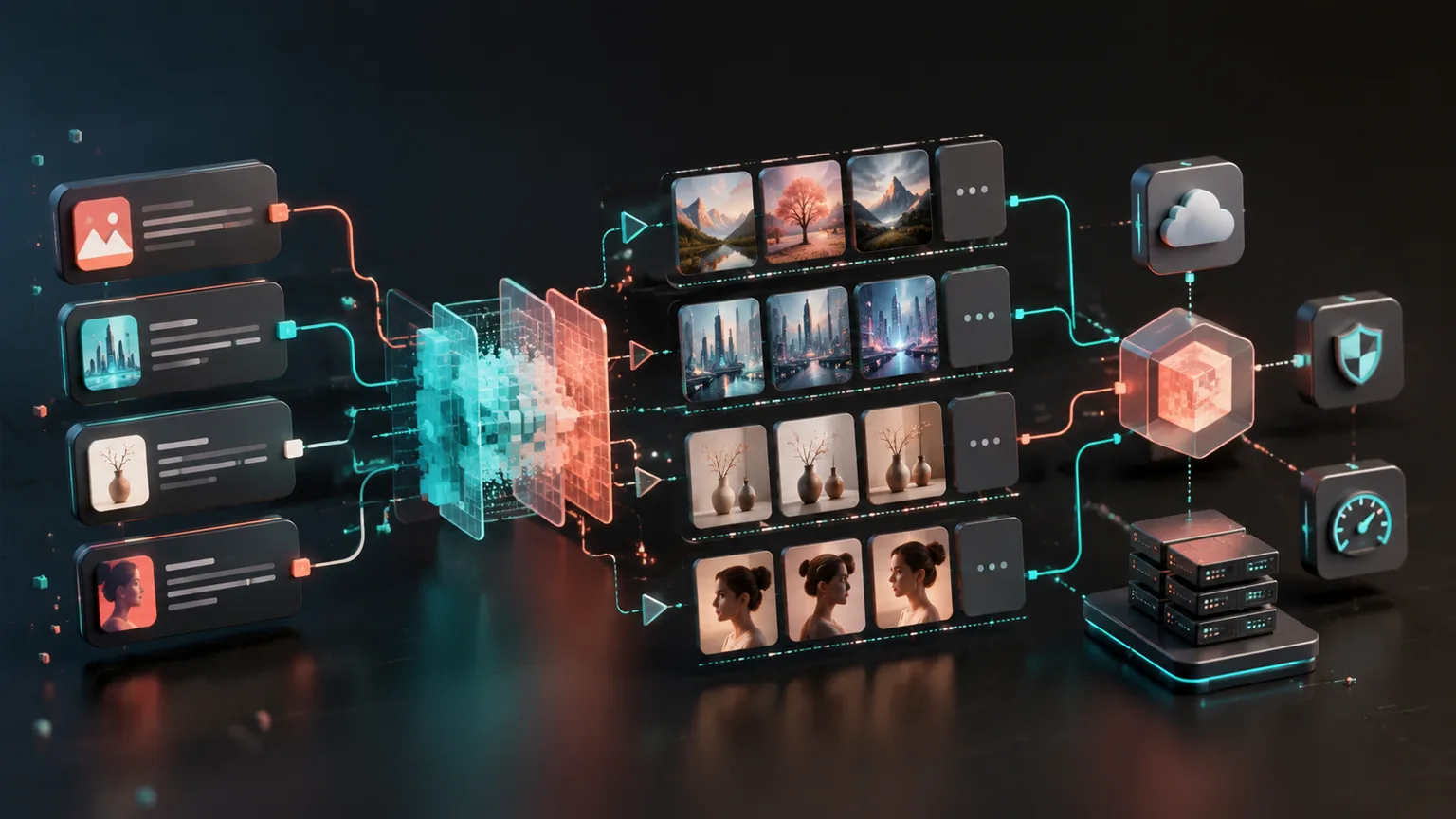
ByteDance's Seedream 4.0 is one of the most underrated image generation models in 2026. While DALL-E 3 and Midjourney dominate Western markets, Seedream 4.0 offers comparable quality at significantly lower pricing — especially for teams generating images at scale.
This tutorial walks you through API setup, prompt engineering, batch processing, and building production-ready image pipelines with Seedream 4.0.
What Is Seedream 4.0?#
Seedream 4.0 is ByteDance's latest text-to-image model, available through their Volcano Engine platform and third-party API providers. Key capabilities:
- 1024×1024 to 2048×2048 resolution output
- Photorealistic and artistic styles — strong at both
- Chinese and English prompts — native bilingual support
- Fast generation — 3-5 seconds per image
- Consistent quality — low variance between generations
- Excellent text rendering — better than DALL-E 3 for Chinese text in images
Seedream 4.0 vs Competitors#
| Feature | Seedream 4.0 | DALL-E 3 | Midjourney v6 | Flux Pro |
|---|---|---|---|---|
| Quality (1-10) | 8.8 | 8.5 | 9.2 | 9.0 |
| Speed | 3-5s | 5-10s | 30-60s | 5-8s |
| API Available | ✅ | ✅ | ❌ (Discord only) | ✅ |
| Chinese Text | ✅ Excellent | ❌ Poor | ❌ Poor | ❌ Poor |
| English Text | ✅ Good | ✅ Good | ✅ Good | ✅ Good |
| Price per image | $0.01-0.03 | $0.04-0.08 | $0.05 (plan) | $0.03-0.06 |
| Batch API | ✅ | ✅ | ❌ | ✅ |
Getting Started#
Option 1: Via Volcano Engine (Direct)#
import requests
import json
import base64

VOLC_ACCESS_KEY = "your-access-key"
VOLC_SECRET_KEY = "your-secret-key"

# Volcano Engine endpoint
endpoint = "https://visual.volcengineapi.com/v1/images/generations"

headers = {
    "Content-Type": "application/json",
    "Authorization": f"Bearer {VOLC_ACCESS_KEY}"
}

response = requests.post(
    endpoint,
    headers=headers,
    json={
        "model": "seedream-4.0",
        "prompt": "A serene Japanese garden in autumn, koi pond with maple leaves "
                  "floating on water, stone lantern, morning mist, photorealistic",
        "size": "1024x1024",
        "n": 1,
        "quality": "hd"
    }
)

result = response.json()
image_url = result["data"][0]["url"]
print(f"Generated image: {image_url}")
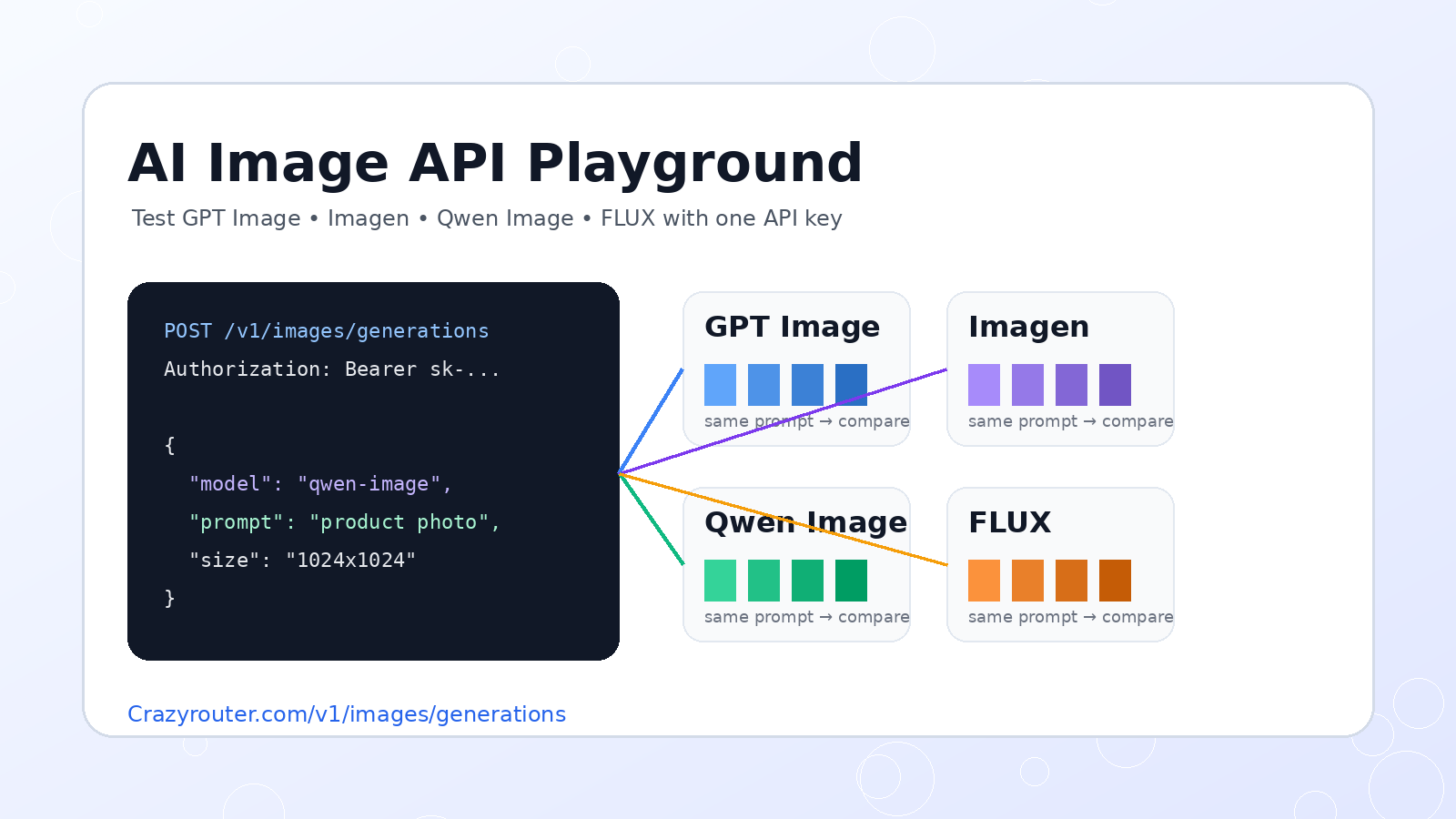
Option 2: Via Crazyrouter (OpenAI-Compatible)#
from openai import OpenAI

client = OpenAI(
    api_key="your-crazyrouter-key",
    base_url="https://crazyrouter.com/v1"
)

# Use DALL-E compatible endpoint with Seedream model
response = client.images.generate(
    model="seedream-4.0",
    prompt="A futuristic Tokyo street at night, holographic advertisements, "
           "rain-slicked roads reflecting neon, cyberpunk aesthetic, 8K detail",
    size="1024x1024",
    n=1,
    quality="hd"
)

image_url = response.data[0].url
print(f"Image URL: {image_url}")
Option 3: cURL#
curl -X POST https://crazyrouter.com/v1/images/generations \
  -H "Content-Type: application/json" \
  -H "Authorization: Bearer your-crazyrouter-key" \
  -d '{
    "model": "seedream-4.0",
    "prompt": "Professional product photo of wireless earbuds on marble surface, soft studio lighting, minimalist composition",
    "size": "1024x1024",
    "n": 1,
    "quality": "hd"
  }'
Prompt Engineering for Seedream 4.0#
Prompt Structure#
Seedream 4.0 responds best to structured prompts:
[Subject] + [Details] + [Setting/Background] + [Style] + [Technical Specs]
Effective Prompt Examples#
Product Photography:
"Minimalist flat lay of a leather wallet, car keys, and sunglasses on
a white marble surface. Soft directional lighting from top-left.
Shot on Phase One IQ4, f/8, product photography, commercial quality."
Character Art:
"Portrait of a female cyberpunk hacker, short neon-blue hair,
augmented reality glasses, leather jacket with circuit patterns.
Dark alley background with holographic signs. Digital art style,
highly detailed, dramatic rim lighting."
Architecture:
"Modern minimalist house in a forest clearing, floor-to-ceiling
glass walls, concrete and wood materials, infinity pool reflecting
trees. Golden hour lighting, architectural photography, wide angle."
Chinese Text in Images:
"一张中国风海报,标题写着'春节快乐',红色灯笼,金色祥云,
传统剪纸风格边框,喜庆氛围,高清印刷品质"
Negative Prompts#
Seedream 4.0 supports negative prompts to exclude unwanted elements:
response = requests.post(
    endpoint,
    headers=headers,
    json={
        "model": "seedream-4.0",
        "prompt": "Professional headshot of a business executive, "
                  "neutral background, studio lighting",
        "negative_prompt": "cartoon, anime, distorted, blurry, "
                          "watermark, text overlay, low quality",
        "size": "1024x1024",
        "n": 1
    }
)
Batch Processing for Production#
Generate Multiple Variations#
import asyncio
import aiohttp

async def generate_batch(prompts, model="seedream-4.0"):
    """Generate multiple images concurrently."""
    async with aiohttp.ClientSession() as session:
        tasks = []
        for prompt in prompts:
            task = generate_single(session, prompt, model)
            tasks.append(task)

        # Limit concurrency to avoid rate limits
        semaphore = asyncio.Semaphore(5)

        async def limited_task(task):
            async with semaphore:
                return await task

        results = await asyncio.gather(*[limited_task(t) for t in tasks])
        return results

async def generate_single(session, prompt, model):
    """Generate a single image."""
    async with session.post(
        "https://crazyrouter.com/v1/images/generations",
        headers={
            "Authorization": "Bearer your-crazyrouter-key",
            "Content-Type": "application/json"
        },
        json={
            "model": model,
            "prompt": prompt,
            "size": "1024x1024",
            "n": 1
        }
    ) as resp:
        data = await resp.json()
        return data["data"][0]["url"]

# Generate product images for an e-commerce catalog
prompts = [
    "Product photo: red running shoes on white background, studio lighting",
    "Product photo: blue denim jacket folded neatly, white background",
    "Product photo: stainless steel water bottle, minimalist, white background",
    "Product photo: wireless headphones, matte black, white background",
    "Product photo: leather messenger bag, brown, white background",
]

urls = asyncio.run(generate_batch(prompts))
for i, url in enumerate(urls):
    print(f"Product {i+1}: {url}")
Marketing Asset Pipeline#
class MarketingImagePipeline:
    def __init__(self, api_key, base_url="https://crazyrouter.com/v1"):
        self.client = OpenAI(api_key=api_key, base_url=base_url)

    def generate_ad_set(self, product_name, style="modern"):
        """Generate a complete ad set: hero, social, banner."""
        sizes = {
            "hero": "1792x1024",      # Website hero
            "social_square": "1024x1024",  # Instagram
            "social_story": "1024x1792",   # Stories
        }

        results = {}
        for name, size in sizes.items():
            prompt = self._build_prompt(product_name, name, style)
            response = self.client.images.generate(
                model="seedream-4.0",
                prompt=prompt,
                size=size,
                n=1,
                quality="hd"
            )
            results[name] = response.data[0].url

        return results

    def _build_prompt(self, product, format_type, style):
        base = f"Professional advertisement for {product}, {style} aesthetic, "
        if format_type == "hero":
            return base + "wide composition, lifestyle context, aspirational mood"
        elif format_type == "social_square":
            return base + "centered composition, bold colors, social media optimized"
        elif format_type == "social_story":
            return base + "vertical composition, dynamic angle, mobile-first design"

# Usage
pipeline = MarketingImagePipeline("your-crazyrouter-key")
ad_set = pipeline.generate_ad_set("Premium Wireless Earbuds", style="minimalist tech")
Pricing Deep Dive#
| Resolution | Volcano Engine | Crazyrouter | DALL-E 3 (OpenAI) |
|---|---|---|---|
| 1024×1024 | $0.02 | $0.01 | $0.04 |
| 1024×1792 | $0.03 | $0.015 | $0.08 |
| 2048×2048 | $0.05 | $0.025 | N/A |
Cost at Scale#
| Monthly Volume | Seedream (Crazyrouter) | DALL-E 3 | Savings |
|---|---|---|---|
| 1,000 images | $10 | $40 | 75% |
| 10,000 images | $100 | $400 | 75% |
| 100,000 images | $1,000 | $4,000 | 75% |
For teams generating thousands of images monthly (e-commerce, marketing, content), Seedream 4.0 via Crazyrouter offers massive cost savings.
FAQ#
Is Seedream 4.0 as good as DALL-E 3?#
For photorealistic content and Chinese text rendering, Seedream 4.0 is equal or better. For creative/artistic prompts, DALL-E 3 has a slight edge. For the price difference (75% cheaper), Seedream is the better value for most production use cases.
Can Seedream 4.0 generate text in images?#
Yes, and it's particularly strong at Chinese text rendering — better than any Western model. English text is good but not perfect for long sentences. Keep text short (2-5 words) for best results.
Is there a free tier for Seedream 4.0?#
Volcano Engine offers limited free credits for new accounts. Through Crazyrouter, you can test with minimal spend ($0.01 per image).
Does Seedream 4.0 have content restrictions?#
Yes. ByteDance applies content moderation that blocks NSFW content, political figures, and copyrighted characters. The restrictions are stricter than DALL-E 3 for political content but similar for other categories.
Can I use Seedream 4.0 commercially?#
Yes. Images generated through the API are cleared for commercial use. Check ByteDance's current terms for specific restrictions.
Summary#
Seedream 4.0 is the best-value image generation API in 2026 — offering quality comparable to DALL-E 3 at 75% lower cost. Its bilingual capabilities and fast generation make it ideal for production pipelines serving global markets.
Access Seedream 4.0 through Crazyrouter with an OpenAI-compatible API format, making it a drop-in replacement for DALL-E 3 in existing codebases with a single model name change.