Crazyrouter
WAN 2.2 Animate Tutorial 2026: API Workflows, Prompting, and Common Mistakes
A practical WAN 2.2 Animate tutorial for developers and creators covering prompts, API-style workflows, frame consistency, and common production mistakes.
WAN 2.2 Animate Tutorial 2026: API Workflows, Prompting, and Common Mistakes#
Developers searching for **WAN 2.2 Animate tutorial** usually want one thing: a practical answer they can act on today, not another vague roundup full of affiliate fluff. This guide is written for builders who care about APIs, deployment trade-offs, reliability, and budget. It also shows where **[Crazyrouter](https://crazyrouter.com)** fits when you want one [API key](https://docs.crazyrouter.com/en/authentication) for multiple AI models instead of juggling separate vendor integrations.

## What is WAN 2.2 Animate tutorial?

At a high level, **WAN 2.2 Animate tutorial** is about understanding the product itself, the developer workflow around it, and the real [cost](https://crazyrouter.com/pricing) of using it in production. That means looking beyond marketing pages. You need to ask:

- What problem does this tool or model solve well?
- Where does it break in real software projects?
- What is the true total cost once retries, context, and monitoring are included?
- How hard is it to switch providers later if quality or pricing changes?

In 2026, that last question matters more than ever. Model quality moves fast, vendors rename plans constantly, and a setup that looked cheap in testing can get expensive once traffic scales. That is why more teams are building with an abstraction layer instead of wiring their entire stack directly to one provider.

## WAN 2.2 Animate tutorial vs alternatives

The right comparison is not just “which model is smartest.” It is “which setup gets the job done with acceptable latency, stable output, and sane operating cost.” For most teams, the real alternatives are Kling, Veo3, Luma, and image-to-video tools.

| Option | Pricing Style | Best For | Weak Spot |
|---|---|---|---| | Official / native WAN access | credit or job based depending on platform | users optimizing for model-specific quality | fragmented tooling | | Multi-model workflow with Crazyrouter | pay-as-you-go for prompt generation, QA, fallback, and narration | teams building a whole pipeline | final animation may still use a specialist endpoint |
My blunt take: if you are experimenting, direct vendor access is fine. If you are shipping a product, routing matters. You will eventually need fallback models, cost caps, and a way to compare vendors without rewriting everything. That is where a unified layer like [Crazyrouter](https://docs.crazyrouter.com/en/introduction) becomes useful.

## How to use WAN 2.2 Animate tutorial with code examples

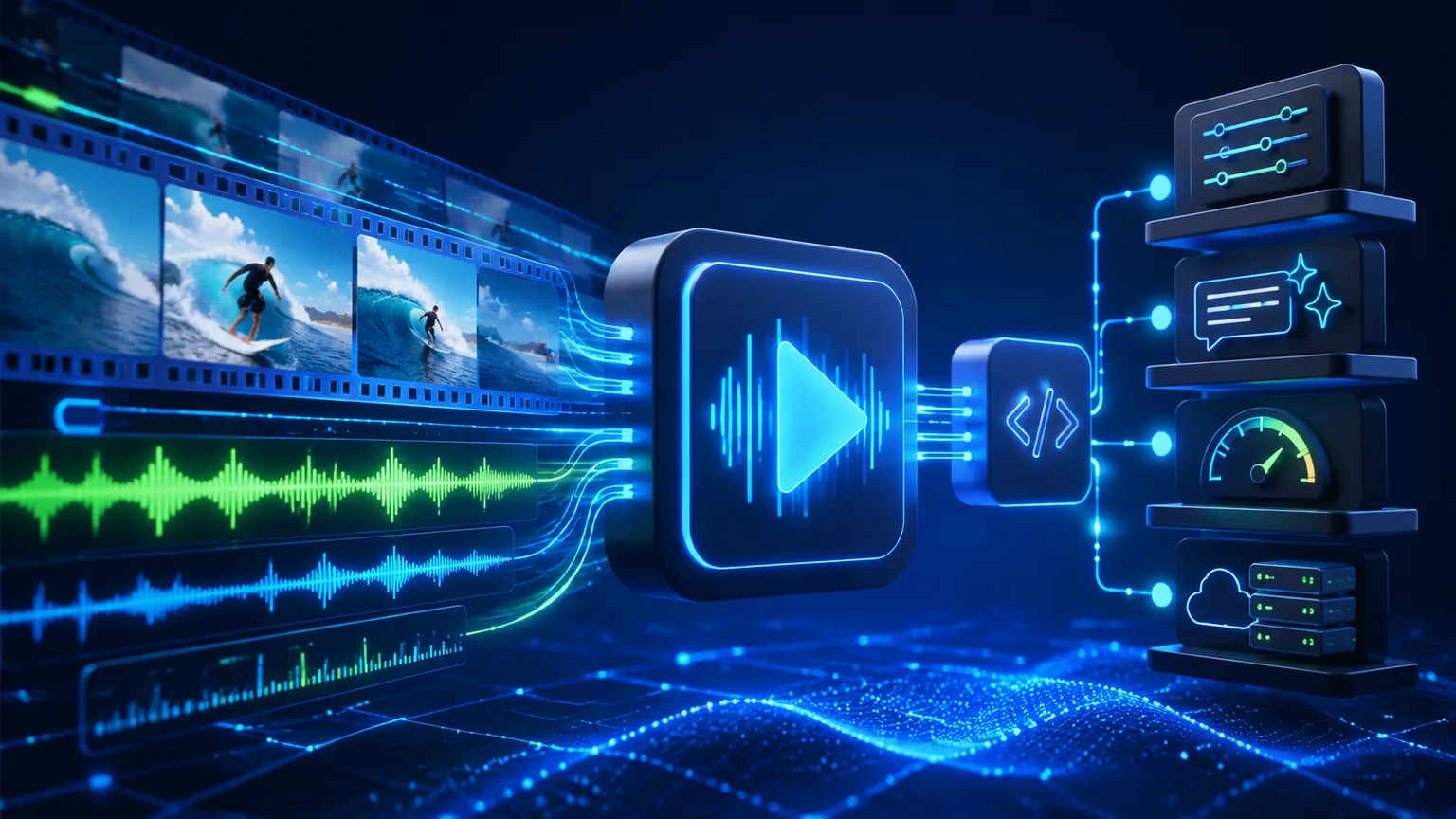
A good production pattern is to separate **prompt generation**, **primary model execution**, **validation**, and **fallback routing**. Even when one tool is your main choice, the rest of the workflow still benefits from abstraction.

### cURL example

```bash
curl https://crazyrouter.com/v1/chat/completions       -H "Content-Type: application/json"       -H "Authorization: Bearer $CRAZYROUTER_API_KEY"       -d '{
    "model": "gemini-2.5-flash",
    "messages": [
      {"role": "system", "content": "You are a precise developer assistant."},
      {"role": "user", "content": "Give me a production checklist for WAN 2.2 Animate tutorial"}
    ],
    "temperature": 0.2
  }'
```

### Python example

```python
import os
from openai import OpenAI

client = OpenAI(
    api_key=os.environ["CRAZYROUTER_API_KEY"],
    base_url="https://crazyrouter.com/v1"
)

resp = client.chat.completions.create(
    model="gpt-5-mini",
    messages=[
        {"role": "system", "content": "You help engineers design reliable AI systems."},
        {"role": "user", "content": "Generate a step-by-step workflow for WAN 2.2 Animate tutorial with validation checks."}
    ],
    temperature=0.2,
)

print(resp.choices[0].message.content)
```

### Node.js example

```javascript
import OpenAI from "openai";

const client = new OpenAI({
  apiKey: process.env.CRAZYROUTER_API_KEY,
  baseURL: "https://crazyrouter.com/v1",
});

const response = await client.chat.completions.create({
  model: "claude-sonnet-4.5",
  messages: [
    { role: "system", content: "You are an expert AI platform engineer." },
    { role: "user", content: "Compare implementation choices for WAN 2.2 Animate tutorial and suggest a fallback plan." }
  ],
  temperature: 0.3,
});

console.log(response.choices[0].message.content);
```

In production, do not stop at a single model call. Add request IDs, structured logs, retries with backoff, prompt caching where possible, and a validation layer that rejects obviously bad outputs before users see them.

## Pricing breakdown

Pricing is never just the sticker price. Developers should compare **integration cost**, **monitoring cost**, **fallback cost**, and **human review cost** too.

| Stage | Official Cost Pattern | Crazyrouter Role |
|---|---|---| | Script and prompt generation | n/a or external | low-cost text model routing | | Image / storyboard prep | separate image pricing | route to best image model | | Final animation render | credit/job pricing | external specialist step | | QA and captioning | extra tooling | one API for review and metadata |
A useful rule is this:

1. Use cheaper and faster models for triage, formatting, routing, or drafts.
2. Escalate to premium models only when quality materially changes the result.
3. Put hard budget limits around long context, rich media, and repeated retries.
4. Keep a second provider ready in case one model gets slower, more expensive, or unavailable.

If you want to compare live model options quickly, start from **[Crazyrouter pricing](https://crazyrouter.com/pricing)** and route requests through a single API instead of rebuilding the same logic separately for each vendor.

## FAQ

### What is WAN 2.2 Animate?
WAN 2.2 Animate is a video-generation workflow used to animate input images or prompts into short clips, often focused on style consistency and controllable motion.
Why does WAN Animate output look unstable?#
Most failures come from weak prompt constraints, inconsistent source frames, too much motion instruction, or skipping a storyboard step.
Can developers automate WAN Animate pipelines?#
Yes. A strong pipeline separates prompt writing, storyboard generation, rendering, QA, retries, and delivery instead of treating the video model as one monolithic call.
Why mention Crazyrouter in a WAN tutorial?#
Because prompt generation, summarization, metadata extraction, and fallback orchestration around the animation step still benefit from a unified API layer.
## Summary

The smartest way to approach **WAN 2.2 Animate [tutorial](/en/blog/wan-2-2-animate-july-2026-queue-retry-api)** in 2026 is to think like an engineer, not a fan. Evaluate quality, latency, operating cost, and how painful it will be to change direction later. For personal experimentation, native tools are fine. For products, internal tools, and team workflows, a unified API layer usually wins on leverage.

If you want one endpoint for many AI models, faster provider switching, and cleaner production operations, try **[Crazyrouter](https://crazyrouter.com)**.