 中文
中文 English
 Français
 Русский
 日本語
日本語 Tiếng Việt
 한국어
한국어 Deutsch
 Español
 Italiano
 Português
 العربية
 ไทย
ไทย Bahasa Indonesia
 Bahasa Melayu
 Türkçe
 Polski
 Nederlands
 Dansk
Dansk Norsk
Norsk Қазақша
Google Veo3 API Guide 2026: Rate Limits, Prompting, and Fallbacks
A developer-focused Google Veo3 API guide with prompt design, error handling, rate-limit planning, and pricing comparison.

Google Veo3 API Guide 2026: Rate Limits, Prompting, and Fallbacks#
A useful Google Veo3 API guide should do more than show a single request example. Video generation is slower, more quota-sensitive, and more failure-prone than text generation. If you are integrating Veo3 into a product, you need prompt discipline, asynchronous job handling, and a fallback strategy from day one.
What is Google Veo3 API?#
Google Veo3 API gives developers programmatic access to high-quality video generation. Teams use it for ad concepts, product demos, storyboards, social clips, and prototype creative workflows.
Compared with text APIs, video APIs have three extra complexities:
- generation jobs take longer
- media outputs are heavier to store and deliver
- retries can be expensive if prompts are poor
Veo3 vs alternatives#
| Tool | Strength | Limitation |
|---|---|---|
| Veo3 | strong premium video generation quality | cost and quota sensitivity |
| Kling / Luma / Runway style tools | broader ecosystem familiarity | quality and API maturity vary |
| unified gateway routing | easier comparison and fallback | adds an integration layer |
How to use Google Veo3 API#
cURL example#
curl https://crazyrouter.com/v1/video/generations           -H "Authorization: Bearer YOUR_API_KEY"           -H "Content-Type: application/json"           -d '{
    "model": "veo3",
    "prompt": "A cinematic close-up of a runner in the rain, neon reflections, shallow depth of field, 6 seconds",
    "duration": 6,
    "aspect_ratio": "16:9"
  }'
Python example#
import requests

r = requests.post(
    "https://crazyrouter.com/v1/video/generations",
    headers={"Authorization": "Bearer YOUR_API_KEY"},
    json={
        "model": "veo3",
        "prompt": "A product launch teaser with slow camera movement and dramatic lighting",
        "duration": 6,
        "aspect_ratio": "16:9"
    },
    timeout=60,
)

print(r.json())
Node.js example#
const response = await fetch("https://crazyrouter.com/v1/video/generations", {
  method: "POST",
  headers: {
    "Authorization": `Bearer ${process.env.CRAZYROUTER_API_KEY}`,
    "Content-Type": "application/json",
  },
  body: JSON.stringify({
    model: "veo3",
    prompt: "A clean UI promo video showing a dashboard animating into view",
    duration: 6,
    aspect_ratio: "16:9",
  }),
});

console.log(await response.json());
Prompting tips#
The best Veo3 outputs usually come from prompts that specify:
- subject
- camera movement
- environment
- lighting
- style
- duration constraints
Bad prompt: "make a cool ad"
Better prompt: "A 6-second product ad showing a black wireless earbud rotating on a reflective surface, studio lighting, macro lens look, subtle slow dolly in, premium commercial style."
Pricing breakdown#
| Option | Pricing style | Notes |
|---|---|---|
| official Veo3 access | direct vendor pricing / quota | good if Google is your only path |
| Crazyrouter Veo-style access | unified API pricing | easier to compare with other video models |
Many teams underestimate how useful a unified API is for video. Prompt failure, queue spikes, and model availability problems happen often enough that fallback matters. A single endpoint makes it easier to switch between providers or maintain backup workflows.
Production recommendations#
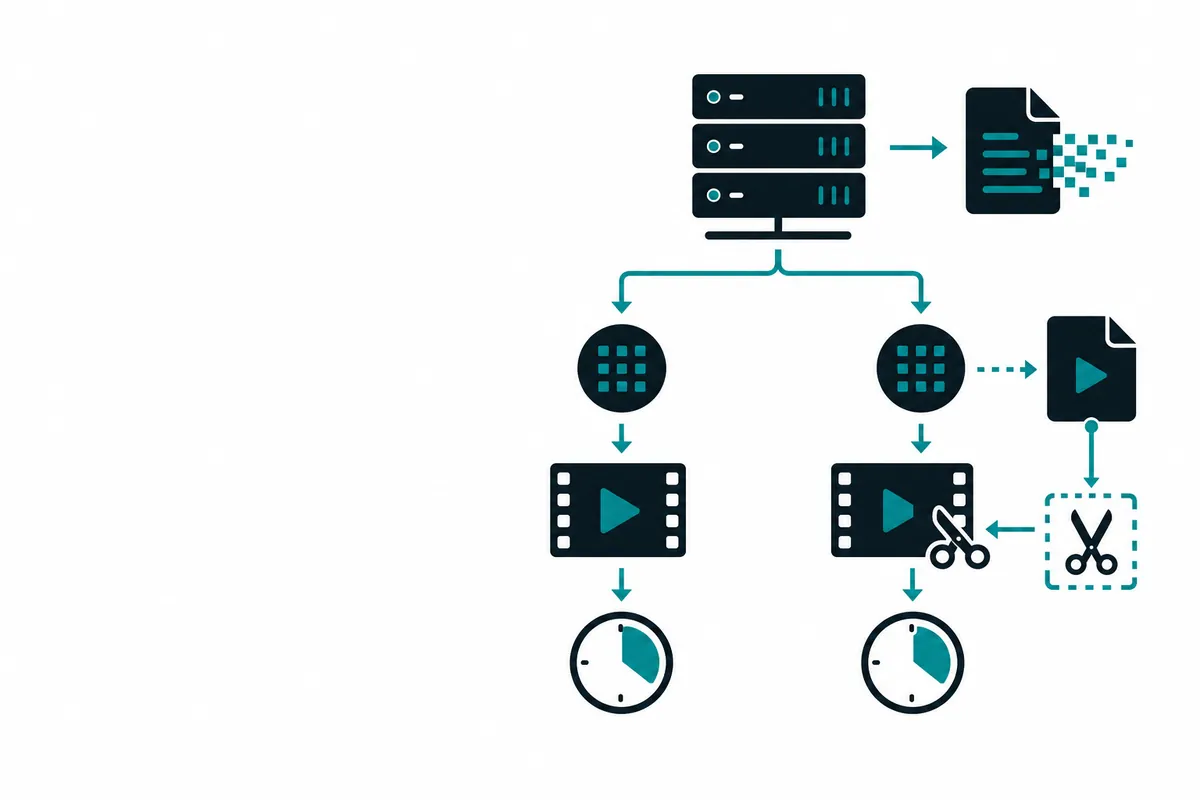
- Treat video generation as an async job, not a blocking request.
- Store prompts and output metadata for debugging.
- Put retry limits around failures.
- Cache thumbnails and previews separately from full assets.
- Add fallback to another model when Veo3 quota is exhausted.
FAQ#
What is the Google Veo3 API used for?#
It is used for programmatic video generation in creative, marketing, prototyping, and product workflows.
Is Veo3 API expensive?#
Video generation is generally more expensive than text generation, so you should benchmark prompt quality and failure rates before scaling.
Can I use Veo3 API with Python or Node.js?#
Yes. Most teams use REST-style calls or wrappers from Python and Node.js.
How can I avoid lock-in with Veo3?#
Use a routing layer like Crazyrouter, so you can compare and switch between video models without rebuilding your entire integration.
Summary#
The best Google Veo3 API guide is the one that treats video generation like infrastructure, not a demo. Plan for quotas, long-running jobs, prompt iteration, and fallback. That is what separates a cool prototype from a reliable product feature.
If you want Veo-style video generation plus simpler multi-model access, check Crazyrouter.