 简体中文
简体中文 繁體中文
繁體中文 English
 Français
 Русский
 日本語
日本語 Tiếng Việt
 한국어
한국어 Deutsch
 Español
 Italiano
 Português
 العربية
 ไทย
ไทย Bahasa Indonesia
 Bahasa Melayu
 Türkçe
 Polski
 Nederlands
 Dansk
Dansk Norsk
Norsk Қазақша
Claude Sonnet vs Opus for Coding Agents: Cost, Speed, and Routing Strategy
Compare Claude Sonnet and Opus for coding agents, including task routing, cost control, evaluation sets, and CrazyRouter multi-model routing strategy.

Claude Sonnet vs Opus for Coding Agents: Cost, Speed, and Routing Strategy#
Coding agents do not need the same model for every step. A planning task, a small edit, a failing test, and an architecture review each need different tradeoffs. The practical question is not “Sonnet or Opus forever?” It is “which model should handle which part of the workflow?”
Quick answer#
Use Sonnet as the default route for most coding-agent work: code edits, test generation, explanation, and routine refactors. Use Opus for high-stakes reasoning: architecture decisions, multi-file debugging, ambiguous failures, and review of complex changes.
Where Sonnet fits#
- Editing a function or component.
- Writing tests for a clear behavior.
- Explaining an error log.
- Refactoring a small module.
- Updating docs from code changes.
Where Opus fits#
- Planning a large refactor.
- Debugging failures across services.
- Reviewing architecture decisions.
- Handling ambiguous product requirements.
- Auditing agent output before release.
Routing pattern for coding agents#
| Step | Recommended model |
|---|---|
| Understand task | Sonnet |
| Create implementation plan | Sonnet or Opus depending complexity |
| Make routine edits | Sonnet |
| Investigate hard failures | Opus |
| Summarize final changes | Sonnet |
| Review high-risk release | Opus |
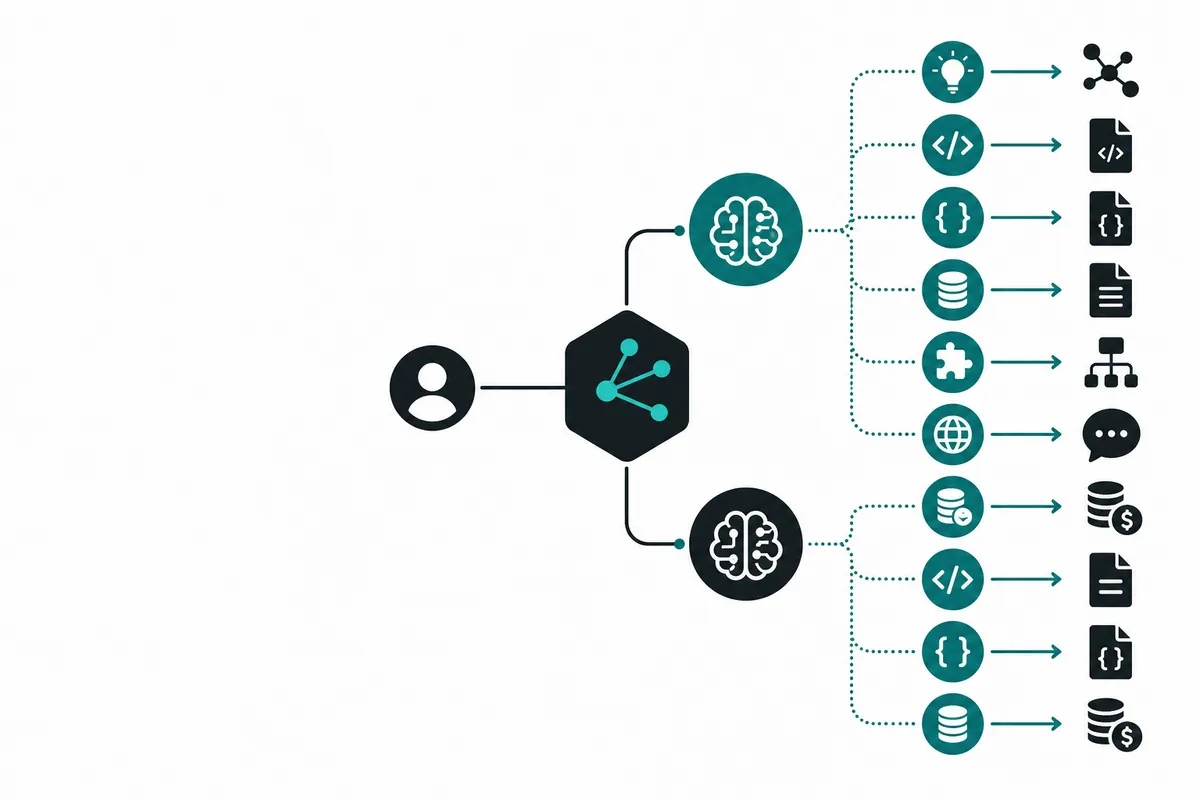
With CrazyRouter, you can keep one OpenAI-compatible endpoint and switch model IDs by task type.
Conclusion#
Sonnet should usually be the default for coding agents. Opus should be reserved for expensive reasoning and high-risk review. CrazyRouter makes this easier because model routing can live in one gateway layer instead of being hardcoded across tools.
<!-- claude-internal-links-20260705 -->