 简体中文
简体中文 繁體中文
繁體中文 English
 Français
 Русский
 日本語
日本語 Tiếng Việt
 한국어
한국어 Deutsch
 Español
 Italiano
 Português
 العربية
 ไทย
ไทย Bahasa Indonesia
 Bahasa Melayu
 Türkçe
 Polski
 Nederlands
 Dansk
Dansk Norsk
Norsk Қазақша
Claude API Development Plans 2026: Billing, Credits, and Project Budgets
Choose a Claude API billing route, check account-specific credits, and budget development with measured token usage instead of chat-subscription assumptions.
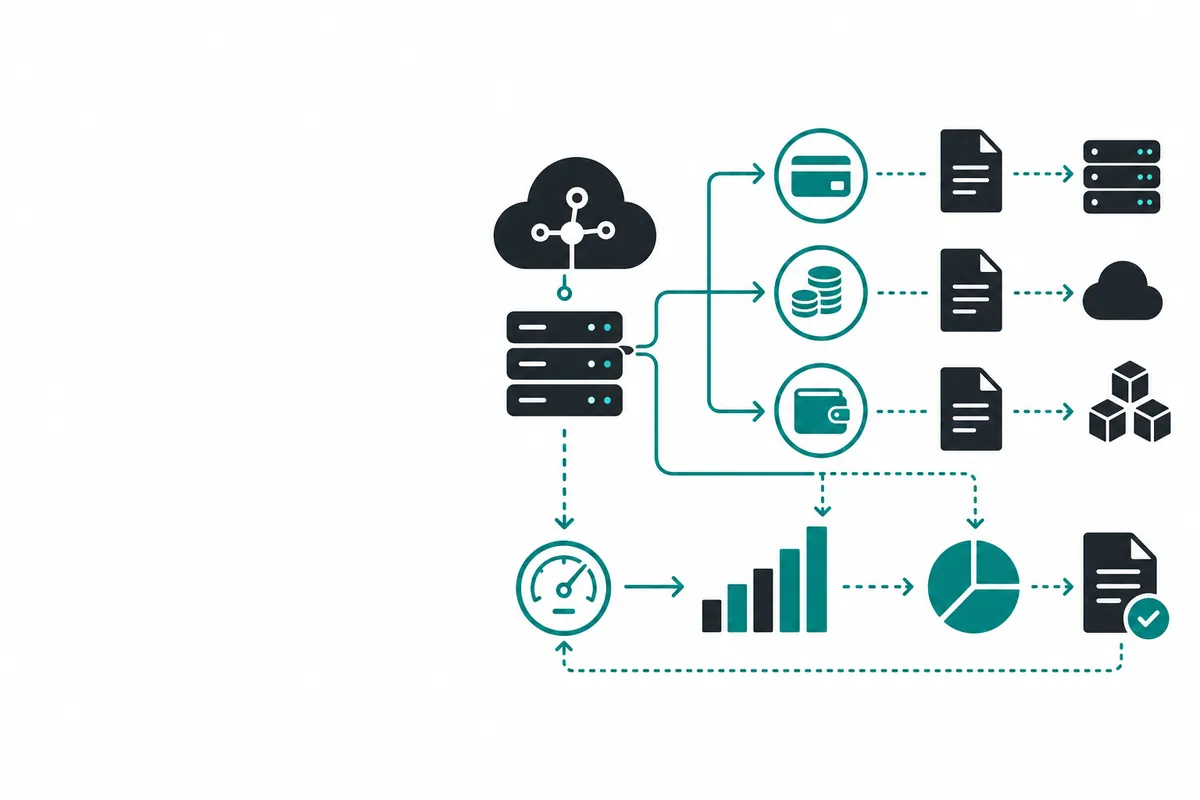
For claude api development plans 2026, start with a developer billing account and metered model usage, rather than assuming a chat subscription is your application's API plan. The current Max page also advertises Claude Platform API credits, so check your account's eligibility and conditions before estimating what you will actually pay; a credit benefit does not replace API credentials or remove usage limits.
What is a Claude API development plan?#
People use this phrase to mean three different things: developer billing, a chat subscription that includes coding features, or a project's engineering roadmap. For an application, the practical requirements are a supported account, an API credential, an available model, and a budget. An API usage tier describes capacity and account limits; it is not automatically the same as Pro or Max.
The official API overview explains developer authentication and endpoints. Keep those details separate from the subscription login used for interactive work. A scheduled job should have a named owner and an explicit billing workspace, even when the same developer uses Claude Code during the day.
Which billing route fits development?#
| Route | What you manage | Budget consideration |
|---|---|---|
| Direct Claude API | Claude Console workspace and credential | Model usage after any applicable account credits |
| Max subscription benefit | Subscription plus eligible Platform setup | Check activation, expiry, and permitted usage |
| Crazyrouter API | Gateway key and balance | Gateway model rates and supported endpoints |
Check the current subscription page for Max benefit conditions. Do not count an advertised allowance until it is available in the correct account, and do not subtract Claude Platform credits from a separate gateway bill. Regional and organization eligibility also remain relevant when choosing a route.
How much should a prototype budget?#
As of 2026-10, the Sonnet 4.6 price comparison lists standard input/output at 15.00 per million tokens for Anthropic and 9.75 through Crazyrouter. Its example of 10M input and 2M output tokens costs 39 respectively, before any account-specific adjustments.
Start with a representative set of tasks and measure both token categories. Output-heavy generation can cost more than a short-answer application with the same number of requests. Add retry traffic to the estimate, then examine cache and batch options separately; their savings depend on actual eligibility and usage rather than the standard rate alone.
Use the pricing directory before committing a monthly budget. Treat a successful prototype as evidence about one request shape, not proof of production capacity.

How do you test the API route?#
This gateway example uses claude-sonnet-4-6 and the OpenAI-compatible endpoint. Store your own key in the environment and ensure the account can fund the request. For native coding-tool configuration, use the Claude Code integration page; its base URL rules differ from an SDK chat endpoint.
# Keep the gateway key in your server environment.
curl --fail-with-body https://api.crazyrouter.com/v1/chat/completions \
  -H "Authorization: Bearer $CRAZYROUTER_API_KEY" \
  -H "Content-Type: application/json" \
  -d '{"model":"claude-sonnet-4-6","messages":[{"role":"user","content":"Reply with exactly: API key setup works."}],"max_tokens":40}'
On 2026-10-12, this request returned HTTP 200 and API key setup works., with 16 prompt tokens and 8 completion tokens. That smoke test verifies basic access only. Before production, test your own streaming, tool calls, timeout handling, and output validation.
What changes from prototype to production?#
Separate development and production keys, assign project budgets, and log request identifiers without storing authentication headers. Review failures before increasing concurrency. A rate-limit response should trigger bounded retry behavior, while an authentication error should trigger configuration investigation.
Choose models from the current directory, then pin the identifier in your deployment configuration. Review costs again whenever prompts grow, tools add extra turns, or the default model changes.
FAQ#
Does a Claude subscription automatically configure API development?#
No: your application still needs API authentication and an explicit billing setup. Some Max accounts may have an advertised Platform credit benefit; verify its conditions and activation separately.
Is there one fixed monthly Claude API development price?#
Metered API cost depends on the model and token usage, with account-specific billing adjustments where applicable. Use measured workload data instead of converting subscription usage multipliers into tokens.
Can I use the same budget for Claude Code and a background application?#
Only when the actual billing arrangement supports that accounting. Keep subscription usage, direct API usage, and gateway spending identifiable so one balance is not mistakenly counted twice.
For a gateway prototype, create a Crazyrouter account, check the selected model, and begin with a small measured workload.
<!-- crazyrouter-related-links -->