 简体中文
简体中文 繁體中文
繁體中文 English
 Français
 Русский
 日本語
日本語 Tiếng Việt
 한국어
한국어 Deutsch
 Español
 Italiano
 Português
 العربية
 ไทย
ไทย Bahasa Indonesia
 Bahasa Melayu
 Türkçe
 Polski
 Nederlands
 Dansk
Dansk Norsk
Norsk Қазақша
Kimi K2 Thinking 使用指南 2026:开发者场景、工具调用与成本控制
一篇面向开发者的 Kimi K2 Thinking 中文指南,涵盖适用场景、对比、示例和 Crazyrouter 路由思路。
Kimi K2 Thinking 使用指南 2026:开发者场景、工具调用与成本控制#
Kimi K2 Thinking 是一个偏推理和工具调用的中文大模型工作流,适合长文分析、代码理解和多步任务。这个话题之所以持续出现在开发者搜索数据里,原因很简单:大家都在尝试把产品决策、模型质量和成本整合进同一个工作流。如果你只看营销页面,就会错过最关键的部分:这个工具在真实交付工作中的表现。
什么是 Kimi K2 Thinking?#
对团队来说,Kimi K2 Thinking 最好被理解为一种工作流决策,而不只是一个模型名称。你要选择需要多深的推理能力、系统必须承载多长的上下文,以及结果是面向人类使用还是由机器驱动。这一点很重要,因为最便宜的请求并不总是最便宜的系统。重试循环、提示词膨胀和人工清理都会带来隐藏成本。
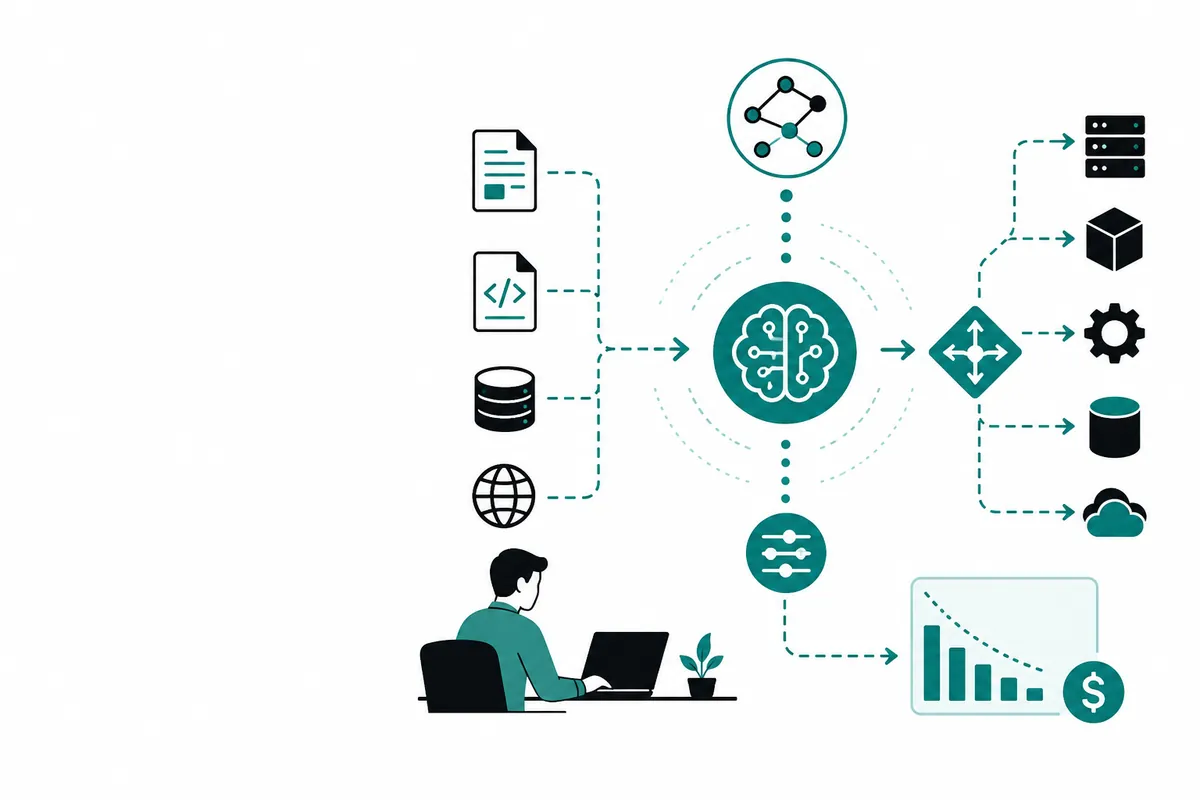
一个实用的思考模型是:在能改变结果的地方使用高阶工具,其余任务则路由到更便宜的默认方案。这也正是许多团队把 Crazyrouter 放在产品逻辑和供应商 API 之间的原因。它为回退、成本可视化和模型切换提供了一个控制平面。
Kimi K2 Thinking 与替代方案对比#
与 Claude、Gemini、Qwen2.5 Omni,以及直接 API 路由相比,Kimi K2 Thinking 通常会在一两个具体领域胜出,也会在其他方面落后。错误的做法是用通用基准测试去比较所有模型。你应该基于真实任务进行比较:代码审查、规划、长上下文阅读、视频提示词优化,或结构化抽取。
如果你正在订阅工具和 API 之间做选择,可以问一个简单的问题:用户是人,还是系统?人类用户通常更偏好订阅。系统几乎总是需要 API。对系统来说,路由器通常是更好的长期决策,因为当供应商的质量或价格发生变化时,它能让你的技术栈保持灵活。
如何通过代码示例使用 Kimi K2 Thinking#
使用任何模型最干净的方式,都是让任务保持小而明确。使用一条系统指令、一条范围清晰的用户指令,以及一个明确的成功标准。这样可以避免不必要的开销,并减少异常输出。
import os
import requests

headers = {'Authorization': f"Bearer {os.environ['CRAZYROUTER_API_KEY']}"}
payload = {
    'model': 'kimi-k2-thinking',
    'messages': [{'role': 'user', 'content': 'Summarize this diff for a release note.'}]
}
r = requests.post('https://crazyrouter.com/v1/chat/completions', json=payload, headers=headers, timeout=60)
print(r.json())
const res = await fetch('https://crazyrouter.com/v1/chat/completions', {
  method: 'POST',
  headers: {
    Authorization: `Bearer ${process.env.CRAZYROUTER_API_KEY}`,
    'Content-Type': 'application/json',
  },
  body: JSON.stringify({ model: 'kimi-k2-thinking', messages: [{ role: 'user', content: 'Review this PR for regressions.' }] }),
});
console.log(await res.json());
curl https://crazyrouter.com/v1/chat/completions -H "Authorization: Bearer $CRAZYROUTER_API_KEY" -H "Content-Type: application/json" -d '{"model":"kimi-k2-thinking","messages":[{"role":"user","content":"Turn this request into a production-ready plan."}]}'
如果你正在构建更大的流水线,可以把问题拆成三个步骤:分类任务、选择模型,然后对输出进行后处理。这正是路由真正产生价值的地方。一个强健的默认配置可以是:摘要使用较小模型,常规推理使用中档模型,只有困难的边界场景才使用高阶模型。
价格拆解#
Kimi K2 Thinking 的价格应该放在上下文中理解。如果你的团队规模超出订阅模式,并开始在其他地方重复工作,那么订阅并不真的“便宜”。如果按量计费 API 能消除人工返工,或让你自动化重复任务,那么它也并不“昂贵”。
| 选项 | 成本模型 | 最佳用途 |
|---|---|---|
| 官方直接调用 | 按量计费 | 单模型应用 |
| 多供应商直连 | 分别记账 | 小团队手工切换 |
| Crazyrouter | 统一路由与预算控制 | 需要多模型回退的团队 |
最好的成本策略通常是混合式的。如果这样更简单,可以把人类实验保留在席位订阅中,但要把生产流量迁移到路由 API 路径。Crazyrouter 的价值在于,它能让你衡量高阶模型真正发挥作用的位置,而不是凭轶事经验猜测。
FAQ#
Kimi K2 Thinking 适合谁? 适合做长上下文阅读、方案整理、代码分析的开发者。
它和 Claude 有什么区别? Claude 更偏稳健推理,Kimi 更适合中文场景和本地化工作流。
Crazyrouter 能做什么? 它能帮助你在 Kimi、Claude、Gemini 之间做成本和质量路由。
总结#
如果你想把中文长上下文、推理和成本控制放在同一个流程里,可以直接从 Crazyrouter 开始。
如果你正在构建 AI 产品,真正的收益并不是选出一个单一赢家,而是构建一个能在价格、质量或延迟变化时持续适应的系统。这正是 Crazyrouter 要解决的问题。