 简体中文
简体中文 繁體中文
繁體中文 English
 Français
 Русский
 日本語
日本語 Tiếng Việt
 한국어
한국어 Deutsch
 Español
 Italiano
 Português
 العربية
 ไทย
ไทย Bahasa Indonesia
 Bahasa Melayu
 Türkçe
 Polski
 Nederlands
 Dansk
Dansk Norsk
Norsk Қазақша
How to Get a Claude API Key in 2026: Billing Verification, Local Development, and CI
Learn how to get a Claude API key safely, verify billing, configure local development, and deploy it to CI without leaking secrets.
How to Get a Claude API Key in 2026: Billing Verification, Local Development, and CI#
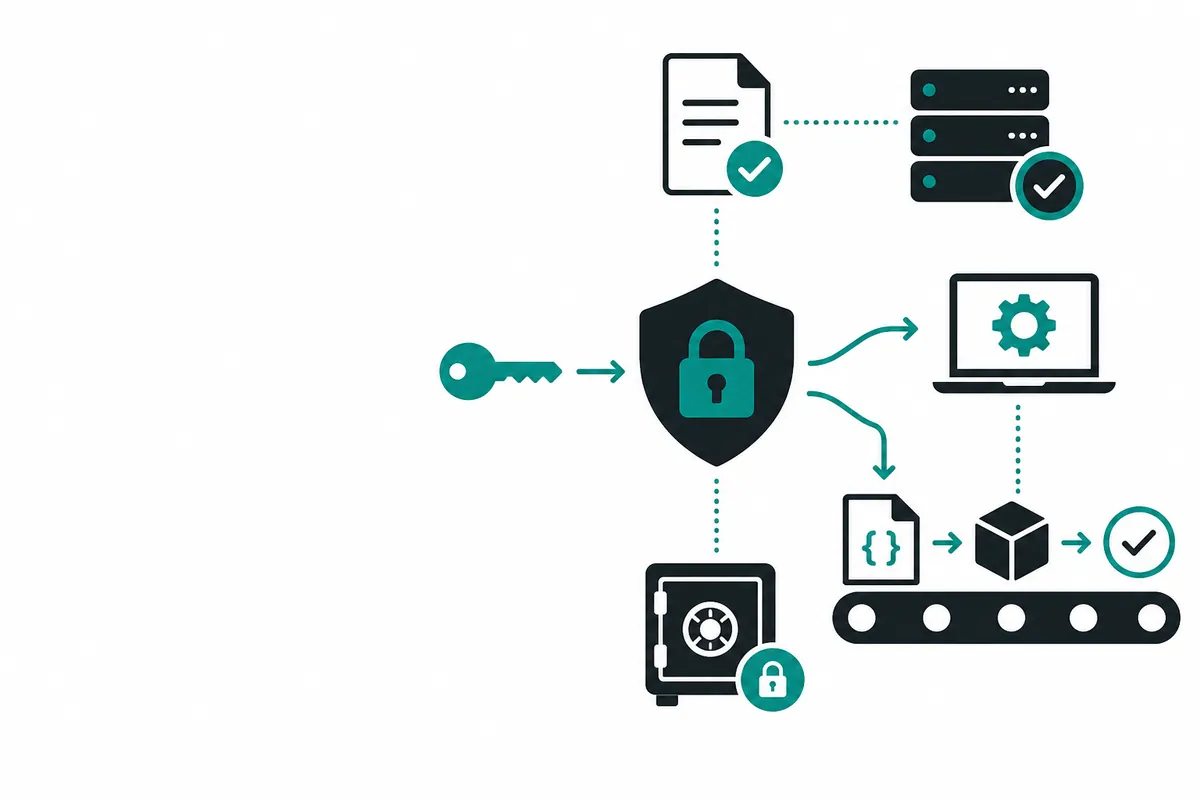
Learning how to get a Claude API key is easy; getting it into a real application safely is the part developers should plan. You need an organization or provider account, billing that is enabled for API usage, a secret stored outside source control, and a small health check that confirms the model and permissions work before production traffic arrives.
What Is How to Get a Claude API Key in 2026?#
A Claude API key authenticates your application to Anthropic’s developer API. It is different from a Claude consumer login and should be treated like a production password. Keys should be scoped to the smallest practical environment, rotated regularly, and never embedded in browser JavaScript or mobile binaries.
How to Get a Claude API Key in 2026 vs Alternatives#
The official API is the direct route and gives you first-party account controls. A managed gateway is useful when you need one OpenAI-compatible endpoint for Claude plus other providers, especially during migration or regional connectivity testing. A self-hosted proxy gives more control but makes you responsible for secret storage, updates, rate limits, and audit logs.
| Decision factor | Direct provider | Managed gateway | Self-hosted stack |
|---|---|---|---|
| Integration | Provider-specific | Compatible shared endpoint | Your adapter |
| Model switching | Manual | Configuration or routing | Custom |
| Operations | Lower platform work | Centralized controls | Highest ownership |
| Best for | Single-provider apps | Teams and multi-model apps | Compliance and deep customization |
How to Use It with Code#
Create the key in the official developer console, enable the required billing method, and copy it once into a local secret store. Then test with an environment variable. For CI, use the platform’s encrypted secret store and inject the key only into the job that needs it. Rotate immediately if a key appears in a commit, log, screenshot, or issue.
import os
from anthropic import Anthropic

client = Anthropic(api_key=os.environ["ANTHROPIC_API_KEY"])
message = client.messages.create(
    model="claude-sonnet",
    max_tokens=256,
    messages=[{"role":"user", "content":"Return one sentence confirming the API works."}],
)
print(message.content[0].text)
For an OpenAI-compatible integration, point your client at https://crazyrouter.com/v1 and store the Crazyrouter key in CRAZYROUTER_API_KEY; never hard-code either credential.
Pricing Breakdown#
| Access method | Billing | Setup | Best fit |
|---|---|---|---|
| Official Claude API | Provider usage rates | Direct key and billing | First-party integrations |
| Crazyrouter Claude route | Current gateway/model rate | One compatible endpoint | Multi-model apps and fallback |
| Claude subscription | Product plan | Human account | Interactive use, not server auth |
| Self-hosted proxy | Your provider bills + hosting | Infrastructure required | Custom governance |
Rates, quotas, supported model IDs, and media billing can change. Treat the table as an architecture comparison and verify the live official provider page or the current Crazyrouter model catalog before committing to a budget. The practical advantage of a gateway is usually not a magic universal discount; it is the ability to centralize credentials, apply quotas, compare models, and route routine work to a better-cost option.
FAQ#
Where do I get a Claude API key?#
Create it in the official Anthropic developer console after setting up the organization and billing required for API use.
Can I use a Claude subscription key in code?#
No. A consumer subscription login is not the same as a server API credential.
Where should I store the key?#
Use environment variables locally and an encrypted CI or secret manager in production.
Can I use Claude through an OpenAI-compatible API?#
Some gateways provide an OpenAI-compatible route. Verify model support, parameters, and current terms before migrating.
What should I do if my key leaks?#
Revoke it immediately, inspect usage, rotate dependent secrets, and review logs and commits.
Summary#
Choose the access path that matches your workload: a first-party product for interactive use, a direct API for a focused integration, or a managed gateway when your application needs several models, centralized limits, and safer fallback behavior. Start with a small benchmark, instrument every request, and promote only the routes that meet your quality and margin targets.
If you want to test multiple models behind one OpenAI-compatible endpoint, try Crazyrouter and verify the current model list and pricing before production rollout.