 简体中文
简体中文 繁體中文
繁體中文 English
 Français
 Русский
 日本語
日本語 Tiếng Việt
 한국어
한국어 Deutsch
 Español
 Italiano
 Português
 العربية
 ไทย
ไทย Bahasa Indonesia
 Bahasa Melayu
 Türkçe
 Polski
 Nederlands
 Dansk
Dansk Norsk
Norsk Қазақша
Kimi K2 Thinking Guide 2026: Reasoning Agents, Evaluation, and Cost Control
Explore Kimi K2 Thinking for reasoning-heavy agents, coding, research, and structured tasks, with practical routing, evaluation, and API examples.
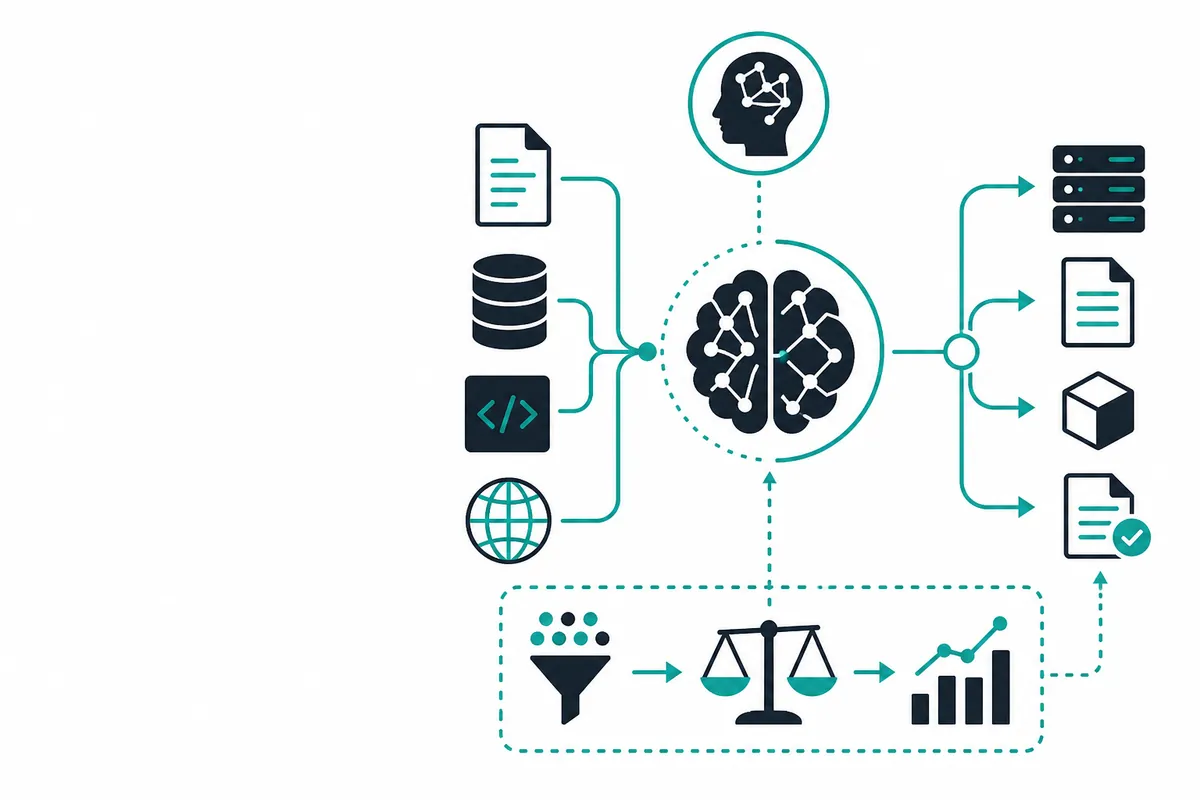
Kimi K2 Thinking Guide 2026: Reasoning Agents, Evaluation, and Cost Control#
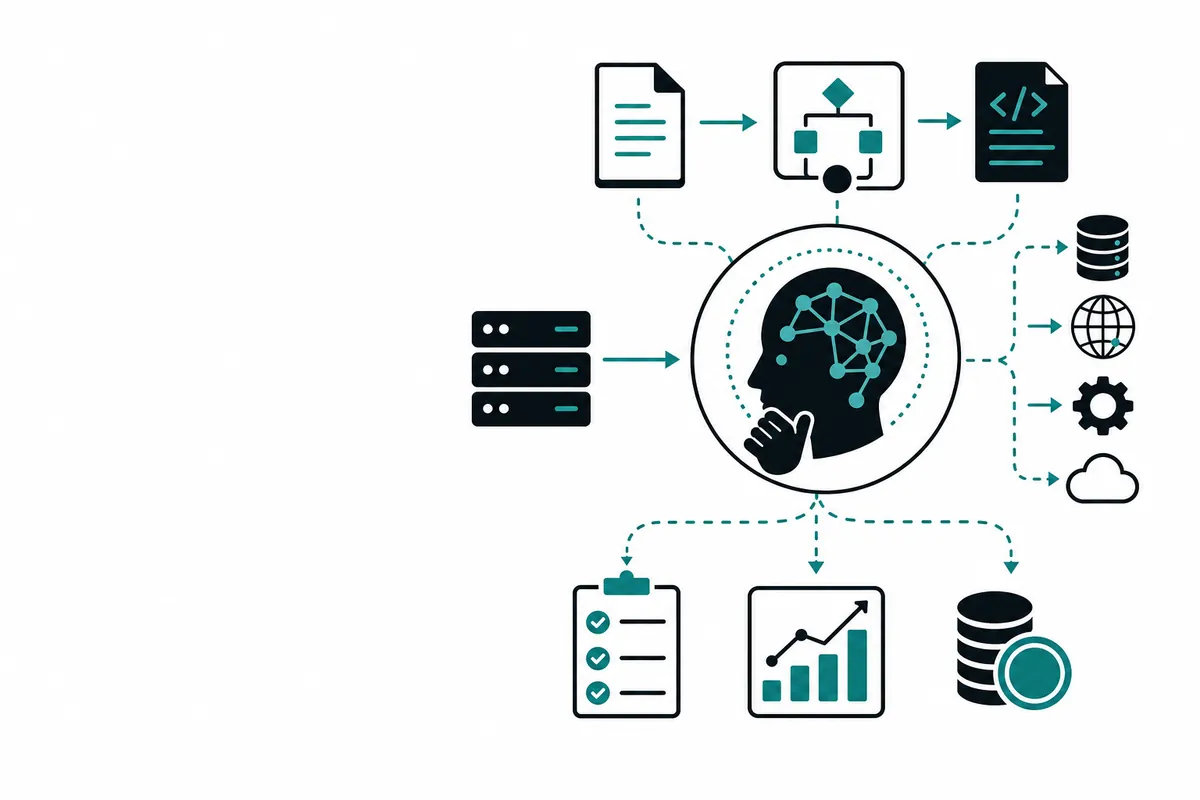
Kimi K2 Thinking is designed for tasks where the model needs to work through intermediate reasoning before producing an answer. Developers may consider it for code analysis, research planning, multi-step classification, and agent workflows. Reasoning models can improve difficult-task success, but they may also use more tokens and latency than a direct-answer model.
What Is This Topic?#
Kimi K2 Thinking is designed for tasks where the model needs to work through intermediate reasoning before producing an answer. Developers may consider it for code analysis, research planning, multi-step classification, and agent workflows. Reasoning models can improve difficult-task success, but they may also use more tokens and latency than a direct-answer model. In practical engineering terms, the important unit is not the model name but the capability contract: accepted inputs, maximum context, output format, latency, rate limits, and data handling. Before integrating, check the provider’s current model catalog and run a small evaluation set using the exact prompts your product will send.
Kimi K2 Thinking Guide 2026 vs Alternatives#
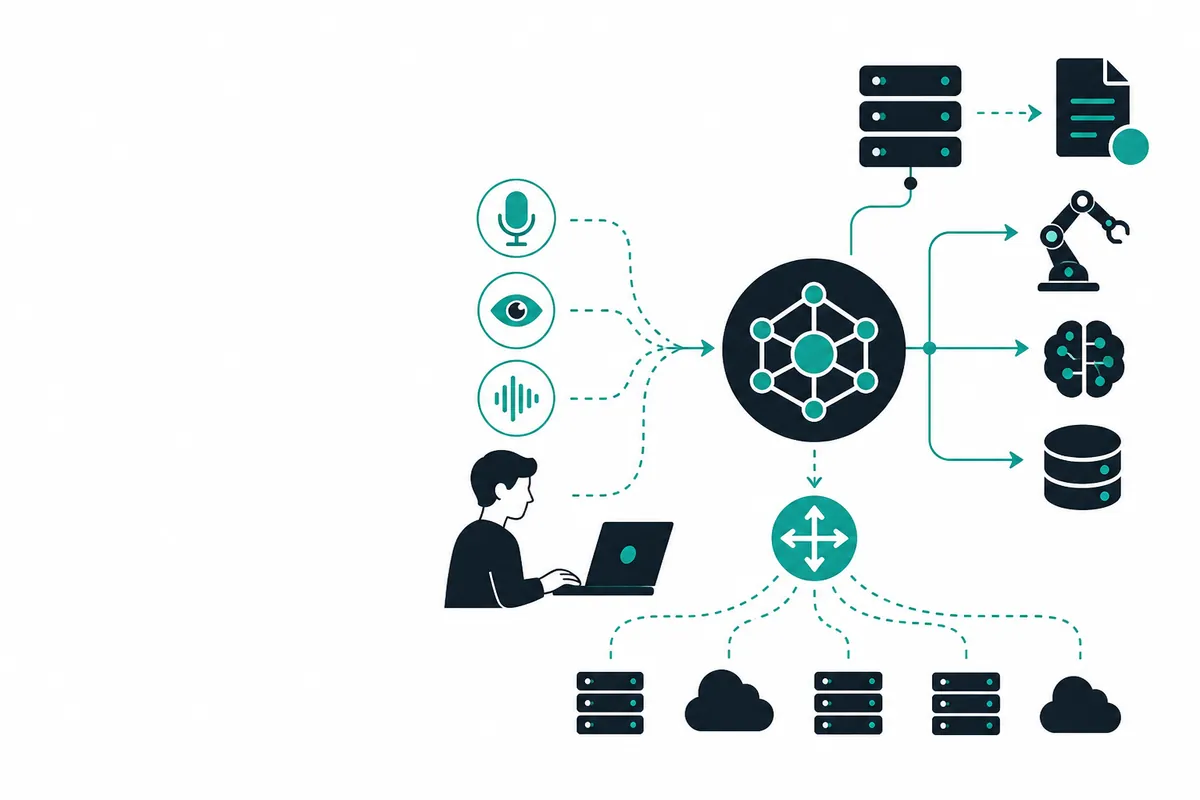
Use Kimi K2 Thinking when correctness on multi-step tasks is more important than minimum latency. Use a fast model for greetings, extraction, and routine transformations. Claude, Gemini, GPT, Qwen, and other reasoning models may outperform it on particular eval sets. The practical answer is to test representative tasks and route accordingly rather than treating “thinking” as universally better.
A useful comparison matrix is:
| Decision factor | Direct provider | Multi-model gateway | Self-hosted/open model |
|---|---|---|---|
| Setup speed | Fast for one provider | Fast for many models | Slowest |
| Model choice | Limited to provider | Broad | Depends on deployment |
| Billing | Separate accounts | Consolidated usage | Infrastructure cost |
| Portability | Lower | Higher | Depends on API layer |
| Operations | Provider-managed | Shared boundary | Team-managed |
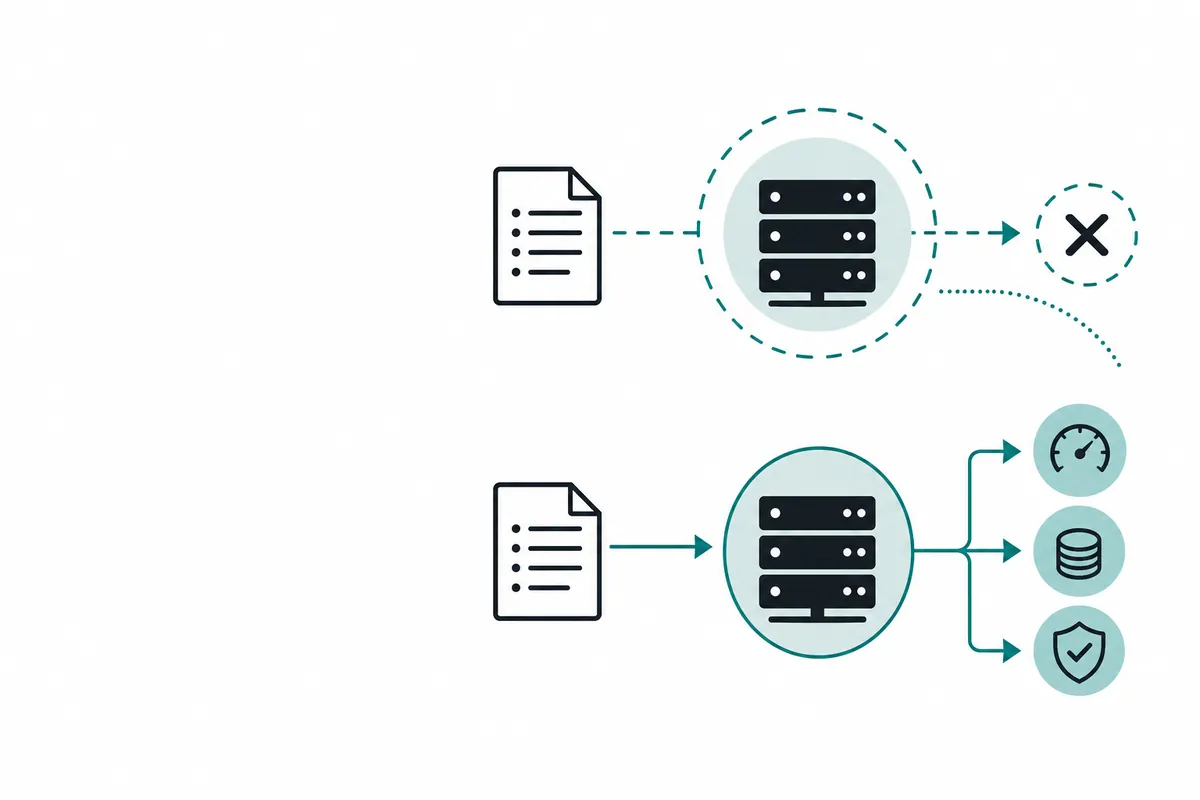
Do not compare only headline benchmark scores. Measure successful task rate, p95 latency, output validity, refusal behavior, and cost per successful task. A model that is 20% cheaper but requires frequent repair calls may be more expensive in production.
How to Use It with an API#
Expose reasoning as a policy choice in your application. Keep the user prompt separate from routing metadata, cap the output, and ask for a concise final answer instead of displaying hidden chain-of-thought. Example:
Python#
from openai import OpenAI
client = OpenAI(api_key="CRAZYROUTER_API_KEY", base_url="https://crazyrouter.com/v1")
r = client.chat.completions.create(
    model="kimi-k2-thinking",
    messages=[
        {"role":"system", "content":"Solve carefully, but return only the concise answer and verifiable steps."},
        {"role":"user", "content":"Find the likely race condition in this pseudocode."}
    ],
    temperature=0, max_tokens=1200
)
print(r.choices[0].message.content)
Node.js#
const r = await fetch("https://crazyrouter.com/v1/chat/completions", { method: "POST", headers: { Authorization: `Bearer ${process.env.CRAZYROUTER_API_KEY}`, "Content-Type": "application/json" }, body: JSON.stringify({ model: "kimi-k2-thinking", max_tokens: 1200, messages: [{ role: "system", content: "Return a concise answer with verifiable steps." }, { role: "user", content: "Plan tests for a payment retry worker." }] }) });
console.log((await r.json()).choices?.[0]?.message?.content);
cURL#
curl https://crazyrouter.com/v1/chat/completions \
  -H "Authorization: Bearer $CRAZYROUTER_API_KEY" \
  -H "Content-Type: application/json" \
  -d '{"model":"kimi-k2-thinking","messages":[{"role":"user","content":"Give a concise developer example."}]}'
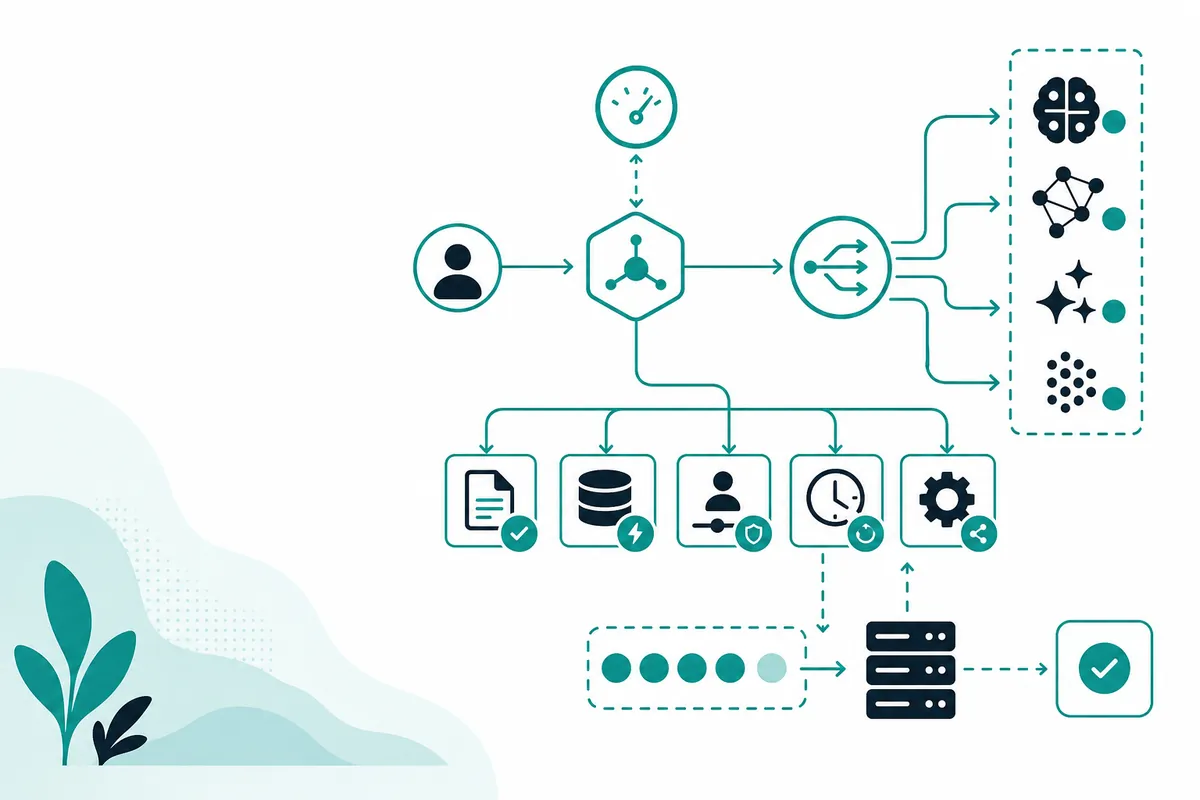
For production, add timeouts, request IDs, structured logs, schema validation, and a clear policy for transient errors. Never put an API key in browser code. Keep provider-specific model IDs in configuration, not scattered through business logic. If media inputs are involved, validate MIME type, size, duration, and user authorization before forwarding them.
Pricing Breakdown#
Reasoning costs should be modeled by successful task, not by output token price alone. Record prompt tokens, completion tokens, latency, retry rate, and escalation rate. Use Kimi K2 Thinking for high-value difficult tasks and a less expensive model for easy traffic. Crazyrouter can provide a single routing layer so you can compare Kimi with other reasoning and general models without changing application authentication.
| Cost component | What to measure | Practical control |
|---|---|---|
| Input tokens | Prompt and context size | Trim, summarize, cache |
| Output tokens | Completion length | Set limits and concise formats |
| Media | Images, audio, or video volume | Resize, sample, batch |
| Retries | Transient and repair calls | Backoff and retry budgets |
| Operations | Logs, queues, storage, GPUs | Retention and autoscaling policy |
For current rates, compare the official provider price with the live Crazyrouter pricing page. A gateway is most valuable when it reduces integration and switching costs, not when a static comparison table hides changing vendor rates. Start with a small test budget and record actual usage before committing to a monthly forecast.
Production Checklist#
- Pin a tested model ID or configuration alias.
- Validate outputs before storing or executing them.
- Add rate limits per user, team, and route.
- Redact secrets and personal data from logs.
- Track cost per successful task, not just request count.
- Keep a tested fallback for provider or model failures.
- Evaluate updates before changing the default route.
- Add human approval for destructive or external actions.
Frequently Asked Questions#
What is Kimi K2 Thinking good at?#
It is a candidate for multi-step reasoning, coding analysis, research planning, and agent tasks.
Is a reasoning model always better?#
No. It may be slower and more expensive, and a fast model is often sufficient for routine work.
Should I show chain-of-thought to users?#
No. Return a concise answer and verifiable evidence or steps without exposing hidden reasoning traces.
How should I evaluate it?#
Use a task set with expected outcomes, measure success, latency, cost, and failure modes by workload.
Summary#
The fastest path from an AI model experiment to a dependable feature is a narrow contract, representative evaluation data, bounded cost, and observable failure handling. Start with one use case, compare at least two alternatives, and keep the provider boundary replaceable. If you want one API surface for evaluating multiple models, compare live rates and start building with Crazyrouter.