 简体中文
简体中文 繁體中文
繁體中文 English
 Français
 Русский
 日本語
日本語 Tiếng Việt
 한국어
한국어 Deutsch
 Español
 Italiano
 Português
 العربية
 ไทย
ไทย Bahasa Indonesia
 Bahasa Melayu
 Türkçe
 Polski
 Nederlands
 Dansk
Dansk Norsk
Norsk Қазақша
Kimi K2 Thinking Guide 2026: Reasoning Workflows, Tool Calls, and Evaluation
Use Kimi K2 Thinking for auditable reasoning tasks with bounded tool calls, evaluation sets, and cost-aware routing.

Kimi K2 Thinking Guide 2026: Reasoning Workflows, Tool Calls, and Evaluation#
Kimi K2 Thinking is a reasoning-oriented language model workflow for tasks that benefit from deliberate intermediate analysis, such as code migration plans, research synthesis, and multi-step decision support. Reasoning does not remove the need for engineering controls. Bound the number of steps, validate tool arguments, and evaluate final answers against a test set instead of judging a single impressive response.
What Is This Topic?#
Kimi can be a useful candidate for long-form reasoning and tool-oriented tasks. Claude may be stronger for certain code and writing workloads, while DeepSeek models can be attractive when cost or open ecosystem access dominates. Keep prompts, tools, temperature, context, and scoring identical, and record both success and token cost.
Kimi K2 Thinking vs Claude and DeepSeek reasoning models#
The right comparison depends on the workload. Start with a representative sample: the same inputs, expected output contract, maximum latency, and review rubric. For API buyers, also compare authentication, regional availability, rate limits, streaming, webhooks, content policies, and support. A developer tool or model should earn adoption by reducing the cost of a successful outcome, not by winning a screenshot benchmark.
How to Use It With an API#
The following examples use environment variables for credentials. Replace placeholder model identifiers with the current value in the provider or Crazyrouter documentation. Keep keys on a trusted server, set request timeouts, and validate response schemas before passing output to downstream code.
from openai import OpenAI
import os
client = OpenAI(base_url="https://crazyrouter.com/v1", api_key=os.environ["CRAZYROUTER_API_KEY"])
r = client.chat.completions.create(model="kimi-k2-thinking", messages=[{"role":"user","content":"Plan a safe database migration and list rollback checks."}], max_tokens=1600)
print(r.choices[0].message.content)
curl https://crazyrouter.com/v1/chat/completions -H "Authorization: Bearer $CRAZYROUTER_API_KEY" -H "Content-Type: application/json" -d '{"model":"kimi-k2-thinking","messages":[{"role":"user","content":"List assumptions before proposing a migration."}]}'
Implementation Checklist#
Before production, pin the model identifier where possible and record the request manifest: model, prompt version, input asset hashes, token limits, timeout, and routing decision. Add structured logs without storing secrets or unnecessary user content. Use exponential backoff for transient errors, an idempotency key for long-running jobs, and a dead-letter queue for requests that need human review.
A useful acceptance test has three layers. First, validate the API contract: authentication, schema, status codes, and streaming or webhook behavior. Second, validate model behavior with a small fixed evaluation set. Third, validate economics by measuring tokens, render seconds, retries, and successful outcomes. This keeps a low headline price from hiding an expensive failure mode.
For interactive traffic, define a latency budget before selecting a model. Measure time to first token separately from time to the complete response, and make the client resilient to partial streams. For video and other long-running work, persist the job ID before returning success to the caller. Webhook handlers should verify signatures where supported, be idempotent, and respond quickly before handing work to a queue.
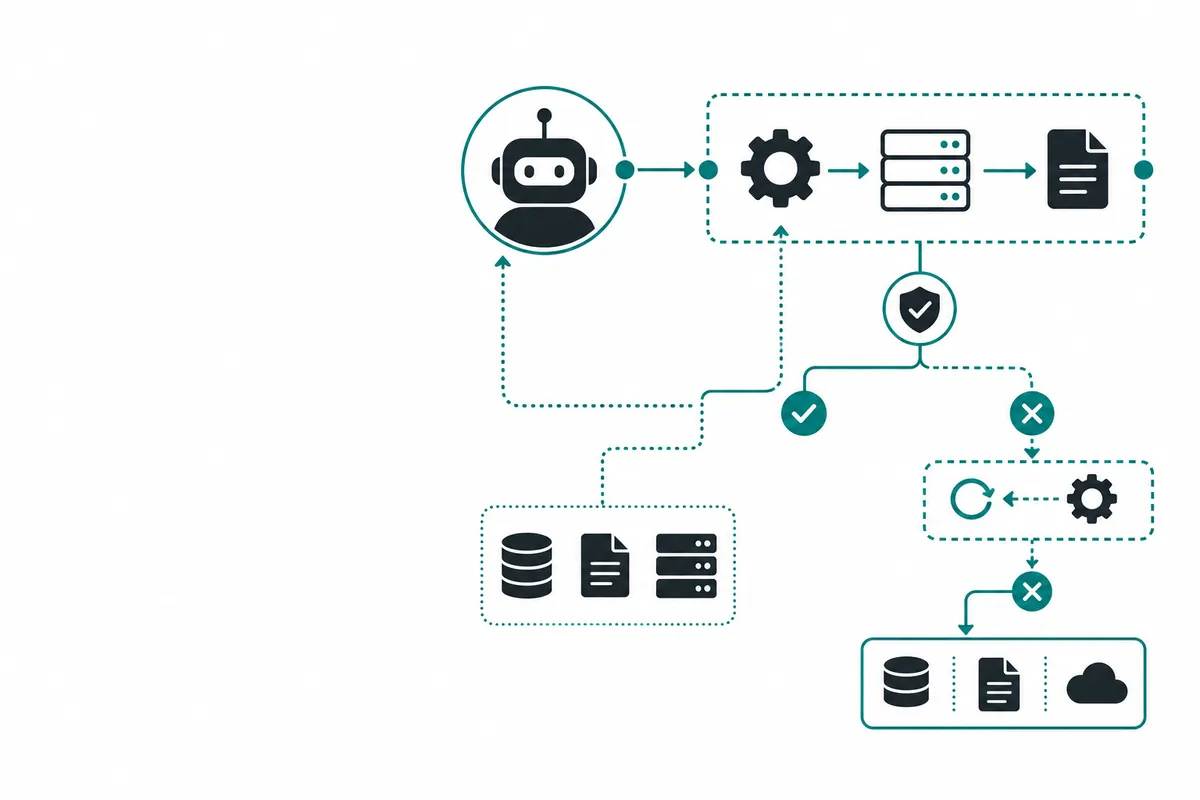
Treat model output as untrusted input. Validate JSON against a schema, escape generated text before rendering HTML, and require confirmation before an agent performs destructive actions. Keep provider errors distinct from application errors so dashboards can show whether a failure came from authentication, rate limiting, invalid input, moderation, or an upstream outage. These details make a pricing comparison useful after launch, not only in a spreadsheet.
Pricing Notes#
Provider prices, quotas, model names, and included features change. The tables above describe the billing dimensions to compare, not a promise of a static rate. Check the official provider page and the live Crazyrouter pricing page immediately before launch. For a production budget, estimate normal, peak, and retry-heavy traffic separately.
Frequently Asked Questions#
| Workload | Model choice | Budget practice |
|---|---|---|
| Simple extraction | Fast model | Avoid paying reasoning cost |
| Complex planning | Kimi K2 Thinking | Set output and step budgets |
| Multi-model evaluation | Routed candidates | Compare quality per successful task |
What is Kimi K2 Thinking good for?#
It is suited to multi-step reasoning, planning, code analysis, and tasks where explicit assumptions and checks improve reliability.
Is reasoning always better?#
No. It can add latency and cost, and a simpler model may be more accurate for a narrowly defined extraction task.
How do I evaluate it?#
Create representative prompts, define a rubric, test tool-call correctness, measure latency and tokens, and review failure cases.
Summary#
The practical path is to start with a small evaluation set, measure quality and effective cost, then add the operational controls your workload needs. Crazyrouter can be useful when you want a single OpenAI-compatible integration surface for multiple AI models, with routing and budget decisions kept in the backend. Review the current catalog, create an account, and test the exact model and limits required by your application.