 简体中文
简体中文 繁體中文
繁體中文 English
 Français
 Русский
 日本語
日本語 Tiếng Việt
 한국어
한국어 Deutsch
 Español
 Italiano
 Português
 العربية
 ไทย
ไทย Bahasa Indonesia
 Bahasa Melayu
 Türkçe
 Polski
 Nederlands
 Dansk
Dansk Norsk
Norsk Қазақша
WAN 2.2 Animate Tutorial July 2026: Queue Design, Retry Handling, and API Workflows
A production-minded WAN 2.2 Animate tutorial covering inputs, asynchronous queues, retries, shot consistency, and cost control.
WAN 2.2 Animate Tutorial July 2026: Queue Design, Retry Handling, and API Workflows#
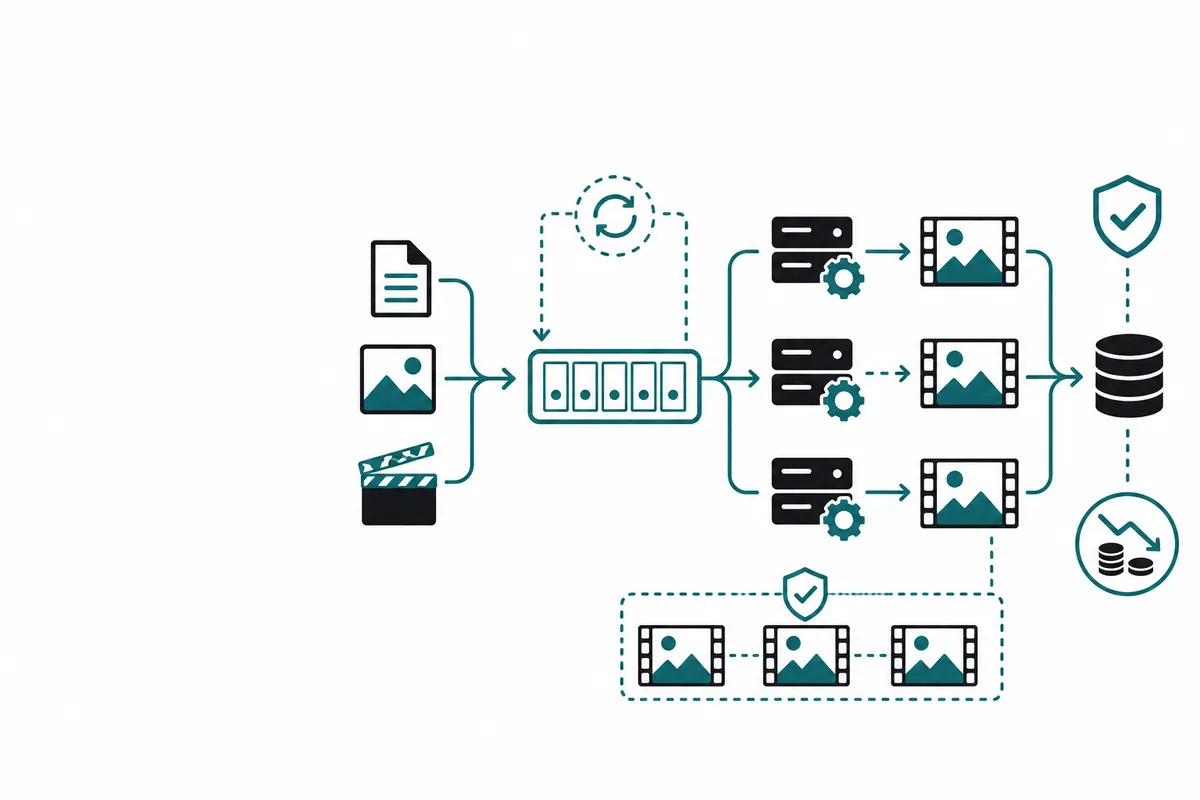
A reliable WAN 2.2 Animate workflow is an asynchronous media system, not a single request. Animation jobs can take longer than an HTTP timeout, fail because of invalid media, or produce a technically successful but unusable shot. This tutorial shows the API architecture developers need around the model.
What Is WAN 2.2 Animate Tutorial July 2026?#
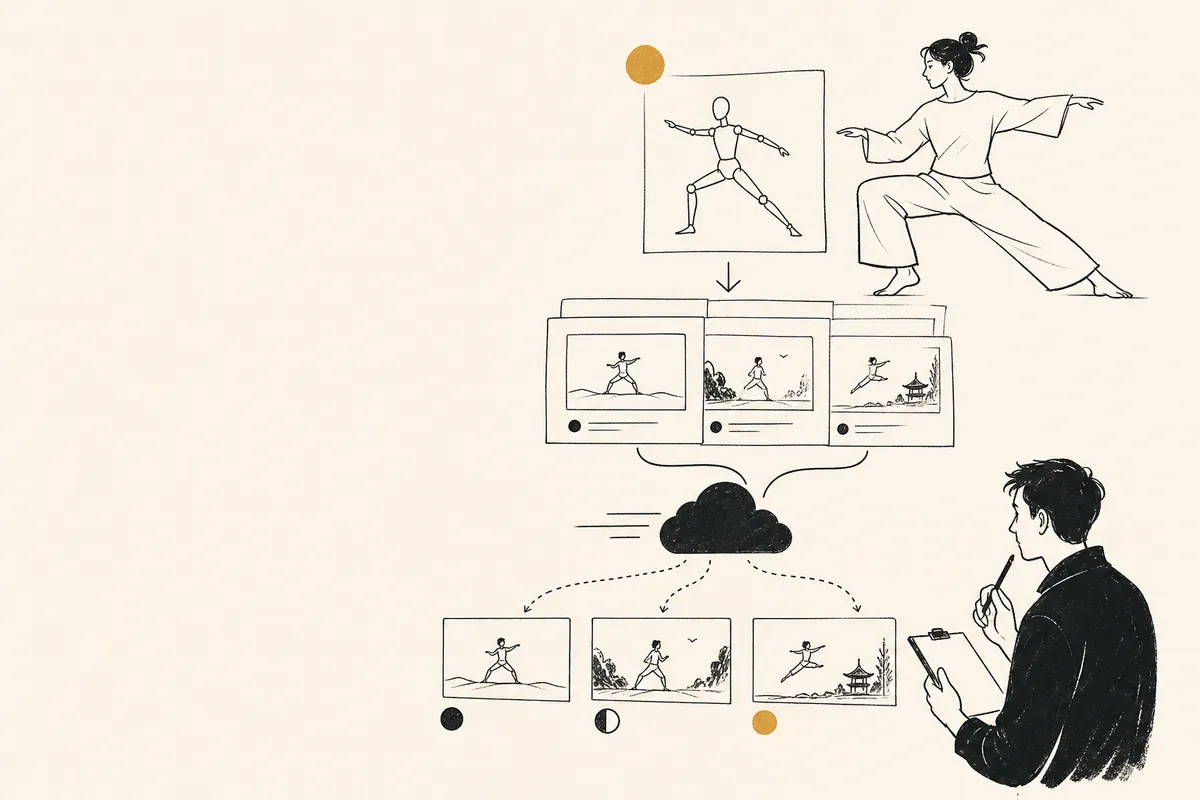
WAN 2.2 Animate is used to create or transform animated video from prompts and reference inputs. The practical inputs are usually a prompt, a source image or video, motion guidance, output settings, and optional negative constraints. Your application should validate media dimensions and duration before submission.
WAN 2.2 Animate Tutorial July 2026 vs Alternatives#
A direct model integration can expose the newest controls first. A managed API or router is more convenient when your application already uses several video models and needs one credential, shared quotas, or a fallback. Compared with text-to-video-only systems, an animation workflow usually needs stronger control over reference assets and shot boundaries.
| Decision factor | Direct provider | Managed gateway | Self-hosted stack |
|---|---|---|---|
| Integration | Provider-specific | Compatible shared endpoint | Your adapter |
| Model switching | Manual | Configuration or routing | Custom |
| Operations | Lower platform work | Centralized controls | Highest ownership |
| Best for | Single-provider apps | Teams and multi-model apps | Compliance and deep customization |
How to Use It with Code#
Create a job table with status, provider job ID, idempotency key, attempt count, input hash, and output URL. Submit once, poll with exponential backoff or consume a webhook, and retry only transient failures. Keep invalid-input errors terminal. Save prompts and parameters so an editor can reproduce a shot instead of guessing what changed.
import os, time, requests

headers = {"Authorization": f"Bearer {os.environ['CRAZYROUTER_API_KEY']}"}
payload = {"model":"wan-2.2-animate", "prompt":"A paper dragon turns toward the camera", "reference_image_url":"https://example.com/dragon.png"}
job = requests.post("https://crazyrouter.com/v1/video/generations", json=payload, headers=headers, timeout=30).json()
job_id = job["id"]
for attempt in range(8):
    status = requests.get(f"https://crazyrouter.com/v1/video/generations/{job_id}", headers=headers, timeout=30).json()
    if status.get("status") in {"completed", "failed"}:
        print(status); break
    time.sleep(min(2 ** attempt, 30))
Pricing Breakdown#
| Route | Pricing basis | Cost control |
|---|---|---|
| Official WAN endpoint | Provider-specific media units | Resolution and duration |
| Crazyrouter route | Current model rate | Shared quota, fallback, job accounting |
| Self-hosted inference | GPU time | Batching and hardware utilization |
| Hybrid pipeline | Premium shots + cheaper drafts | Draft/final separation |
Rates, quotas, supported model IDs, and media billing can change. Treat the table as an architecture comparison and verify the live official provider page or the current Crazyrouter model catalog before committing to a budget. The practical advantage of a gateway is usually not a magic universal discount; it is the ability to centralize credentials, apply quotas, compare models, and route routine work to a better-cost option.
FAQ#
Is WAN 2.2 Animate synchronous?#
Production integrations should assume an asynchronous job model unless the current endpoint explicitly guarantees synchronous completion.
How do I retry a video job safely?#
Retry transient provider or network errors with an idempotency key; do not blindly retry invalid inputs.
What inputs improve consistency?#
Use clean reference assets, stable shot boundaries, explicit motion direction, and a repeatable prompt template.
How should WAN jobs be priced?#
Budget by rendered duration and include failed attempts, storage, and human review.
Can I call WAN through Crazyrouter?#
If the current catalog exposes the model, you can use the compatible gateway route; verify the live model ID and media endpoint first.
Summary#
Choose the access path that matches your workload: a first-party product for interactive use, a direct API for a focused integration, or a managed gateway when your application needs several models, centralized limits, and safer fallback behavior. Start with a small benchmark, instrument every request, and promote only the routes that meet your quality and margin targets.
If you want to test multiple models behind one OpenAI-compatible endpoint, try Crazyrouter and verify the current model list and pricing before production rollout.