 简体中文
简体中文 繁體中文
繁體中文 English
 Français
 Русский
 日本語
日本語 Tiếng Việt
 한국어
한국어 Deutsch
 Español
 Italiano
 Português
 العربية
 ไทย
ไทย Bahasa Indonesia
 Bahasa Melayu
 Türkçe
 Polski
 Nederlands
 Dansk
Dansk Norsk
Norsk Қазақша
AWS Bedrock Anthropic Claude Pricing per 1M Tokens
Read Claude pricing on Bedrock by model and token type, calculate a workload estimate, and avoid confusing standard rates with caching or provisioned capacity.

For the query “aws.amazon.com bedrock anthropic claude pricing per 1m tokens,” there is no single Claude rate: choose the exact model, region, and inference option first. As of 2026-10, the Claude Sonnet 4.6 provider comparison lists Bedrock’s base rates at 15 per million output tokens; confirm the applicable row on AWS Bedrock pricing before budgeting.
What does per 1M tokens mean?#
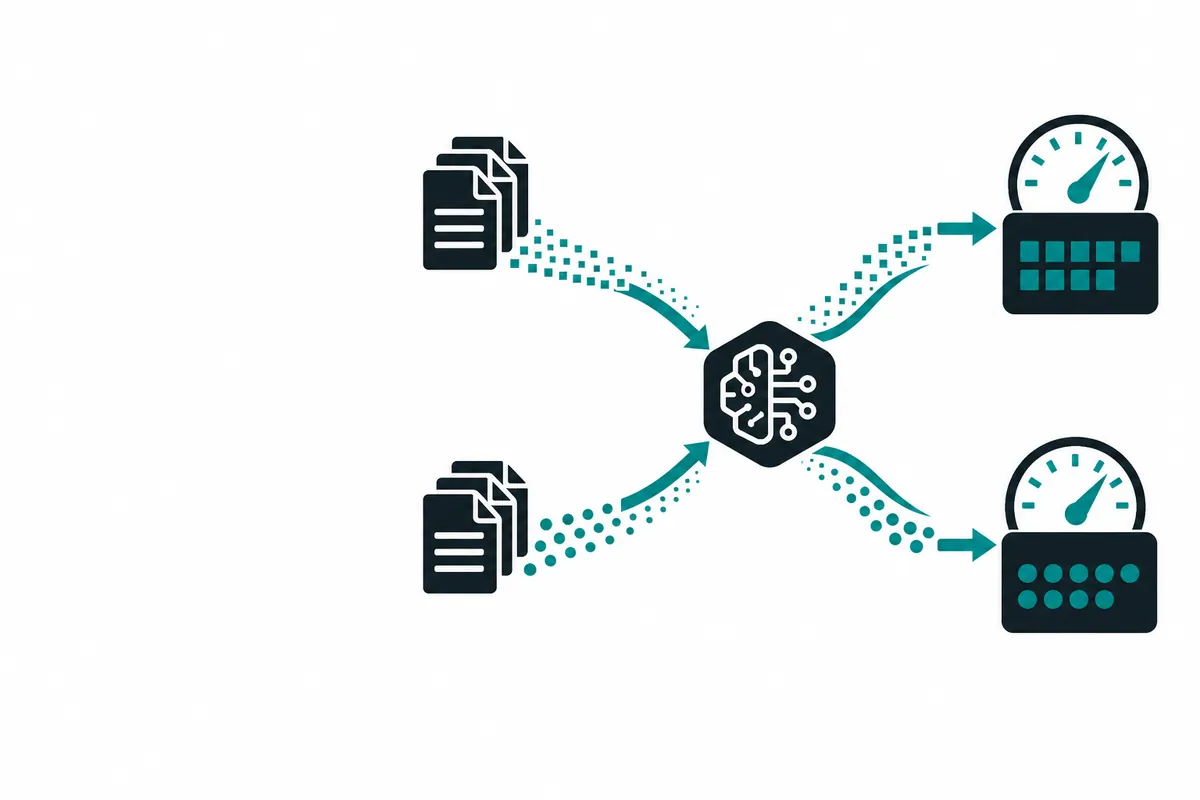
Input tokens cover material sent to the model, including your prompt and conversation history. Output tokens cover the generated response. They have different prices, so multiplying the combined token total by a single rate usually gives the wrong answer.
A million tokens is a billing unit, not a requirement to send that many tokens at once. For an ordinary on-demand estimate, multiply each token count by its corresponding rate and divide by one million. Then add any separately priced services or features that your application uses.
The figures here come from the linked October provider comparison. They are not a newly measured AWS invoice, and they should not be generalized to every Claude model or regional deployment.
How much would a Sonnet 4.6 workload cost?#
Consider a workload with ten million input tokens and two million output tokens. At the listed standard rates, input costs 30, giving an estimated $60 in model charges.
| Component | Volume | Listed Bedrock rate per 1M | Estimated cost |
|---|---|---|---|
| Standard input | 10M tokens | $3.00 | $30.00 |
| Standard output | 2M tokens | $15.00 | $30.00 |
| Total | Separate input and output | Not a blended rate | $60.00 |
The same source lists Crazyrouter Sonnet 4.6 at 9.75 output per million tokens. That example would total $39 at those stated rates. This is a comparison of model token charges, not a claim that the two services have identical contracts, cloud integration, or operational features.
Which settings can change the bill?#
Check whether your quote is for standard on-demand inference, batch processing, or provisioned capacity. Those purchasing choices are not interchangeable. A capacity commitment cannot be evaluated from a token-price table alone, because utilization affects its effective cost.
Caching also needs its own calculation. Distinguish uncached input, cache writes, and cache reads rather than assigning the ordinary input rate to all three. The useful question is how often your actual prompt prefix is reused under the selected model’s caching rules.
Region and inference routing matter as well. Select the intended deployment on AWS’s page and record that choice alongside the model version. If an application adds retrieval, storage, monitoring, or guardrails, account for those costs separately from the model estimate.
Where should developers verify a quote?#
Start at the official AWS pricing page, then consult the Bedrock documentation for the selected inference workflow. Save the model identifier, region, rate, and date with your estimate so a later pricing change is easy to trace.
For cross-provider budgeting, use the model pricing overview and the model-specific table above. Match output length and caching assumptions before declaring one route cheaper. A service with a lower input rate can still cost more for an output-heavy workload.
This is a billing explanation, so it does not include an inference code sample. When implementing requests, follow AWS authentication and model identifiers for Bedrock; a gateway model alias is not automatically a valid Bedrock identifier.
FAQ#
Does every Anthropic Claude model on Bedrock cost 15?#
No. Those figures describe the Sonnet 4.6 base row in the cited October comparison. Other model versions and inference options require their own rates.
Is the per-million rate charged for every request?#
It is the unit used to express token pricing, not a fixed charge for each call. Estimate cost from the actual input and output counts, applying each relevant rate separately.
Can I compare Bedrock directly with a model gateway?#
Yes, if you match the model, token mix, and billing assumptions. Also compare cloud integration, support, and data-handling requirements, because token price alone does not decide suitability.
Plan a measurable trial#
Estimate a representative workload, run a limited trial, and compare the resulting usage with your calculation. If you also want to evaluate the gateway route, create a Crazyrouter account and check its current model-specific price before sending requests.
<!-- crazyrouter-related-links -->