 简体中文
简体中文 繁體中文
繁體中文 English
 Français
 Русский
 日本語
日本語 Tiếng Việt
 한국어
한국어 Deutsch
 Español
 Italiano
 Português
 العربية
 ไทย
ไทย Bahasa Indonesia
 Bahasa Melayu
 Türkçe
 Polski
 Nederlands
 Dansk
Dansk Norsk
Norsk Қазақша
"WAN 2.2 Animate Tutorial: Motion Control API Patterns for Developers"
"Build a reliable WAN 2.2 Animate workflow with image inputs, motion prompts, asynchronous jobs, retries, and cost controls."
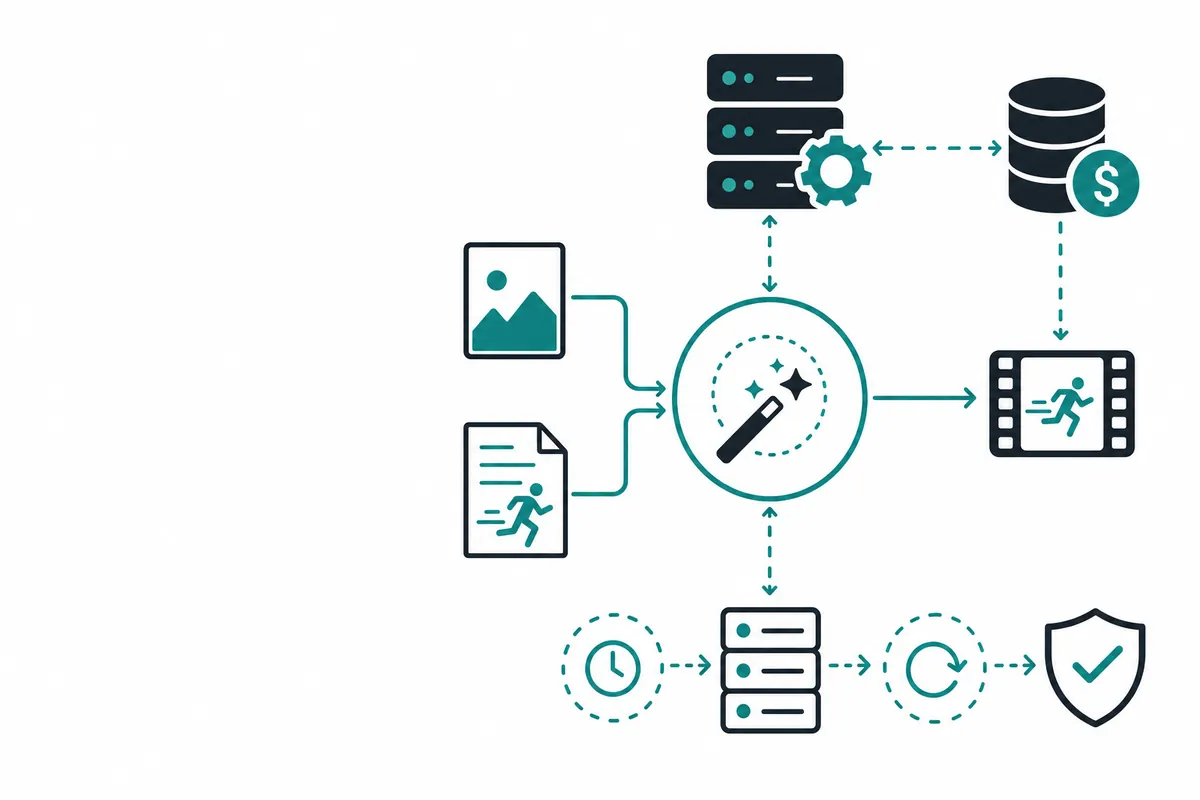
WAN 2.2 Animate Tutorial: Motion Control API Patterns for Developers#
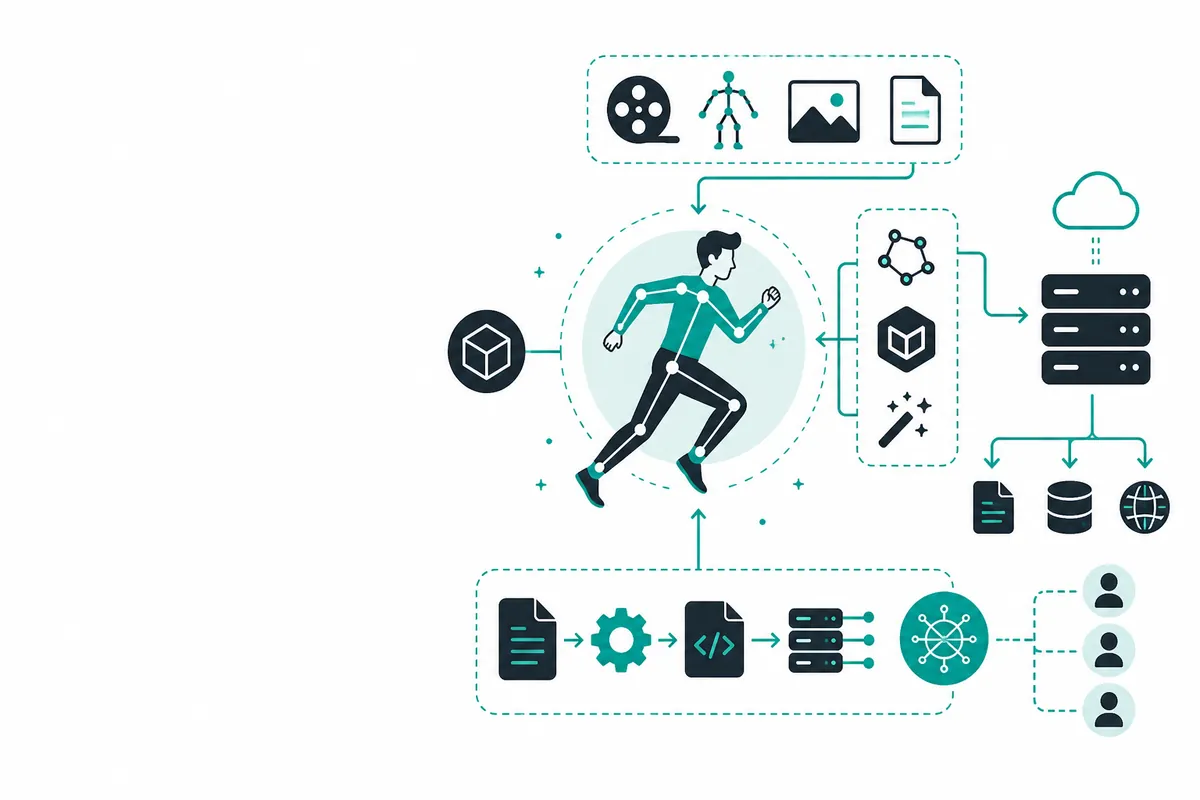
Build a reliable WAN 2.2 Animate workflow with image inputs, motion prompts, asynchronous jobs, retries, and cost controls. This article focuses on implementation decisions that matter after a prototype works: model selection, request shape, observability, failure recovery, and the economics of repeated calls.
What is this topic?#
The short answer is that WAN 2.2 Animate Tutorial is useful when you need a developer-controlled workflow rather than a one-off browser demo. A production integration should define inputs, outputs, timeouts, retries, moderation, and a way to measure quality. Treat vendor names as capabilities to test, not guarantees. Model versions and prices change, so pin versions where possible and verify current provider documentation before launch.
WAN 2.2 Animate Tutorial vs alternatives#
| Option | Strength | Trade-off |
|---|---|---|
| Official provider API | First-party features and documentation | One provider and one billing surface |
| Open-source/self-hosted | Maximum control and privacy | Infrastructure and operations burden |
| Crazyrouter | One compatible endpoint, routing, and model choice | You still need workload-specific evaluation |
| Direct web application | Fastest manual test | Poor automation and limited observability |
For most teams, start with the official API or Crazyrouter for a small benchmark. Compare quality on representative inputs, p95 latency, error rate, and effective cost per successful output.
How to use it with an API#
Keep the provider key on the server. Make the model, timeout, and output limit configuration values rather than hard-coded assumptions. A cURL smoke test can look like this:
curl https://crazyrouter.com/v1/chat/completions \
  -H "Authorization: Bearer $CRAZYROUTER_API_KEY" \
  -H "Content-Type: application/json" \
  -d '{"model":"wan","messages":[{"role":"user","content":"Return a concise implementation plan."}],"max_tokens":800}'
Python example:
from openai import OpenAI
import os

client = OpenAI(api_key=os.environ["CRAZYROUTER_API_KEY"],
                base_url="https://crazyrouter.com/v1")
result = client.chat.completions.create(
    model=os.getenv("AI_MODEL", "wan"),
    messages=[{"role": "user", "content": "Analyze the input and return JSON-ready fields."}],
    temperature=0.2,
    max_tokens=1200,
)
print(result.choices[0].message.content)
Node.js keeps the same contract:
import OpenAI from "openai";
const client = new OpenAI({ apiKey: process.env.CRAZYROUTER_API_KEY,
  baseURL: "https://crazyrouter.com/v1" });
const r = await client.chat.completions.create({
  model: process.env.AI_MODEL || "wan",
  messages: [{ role: "user", content: "Produce a short, testable result." }],
  max_tokens: 800
});
console.log(r.choices[0].message.content);
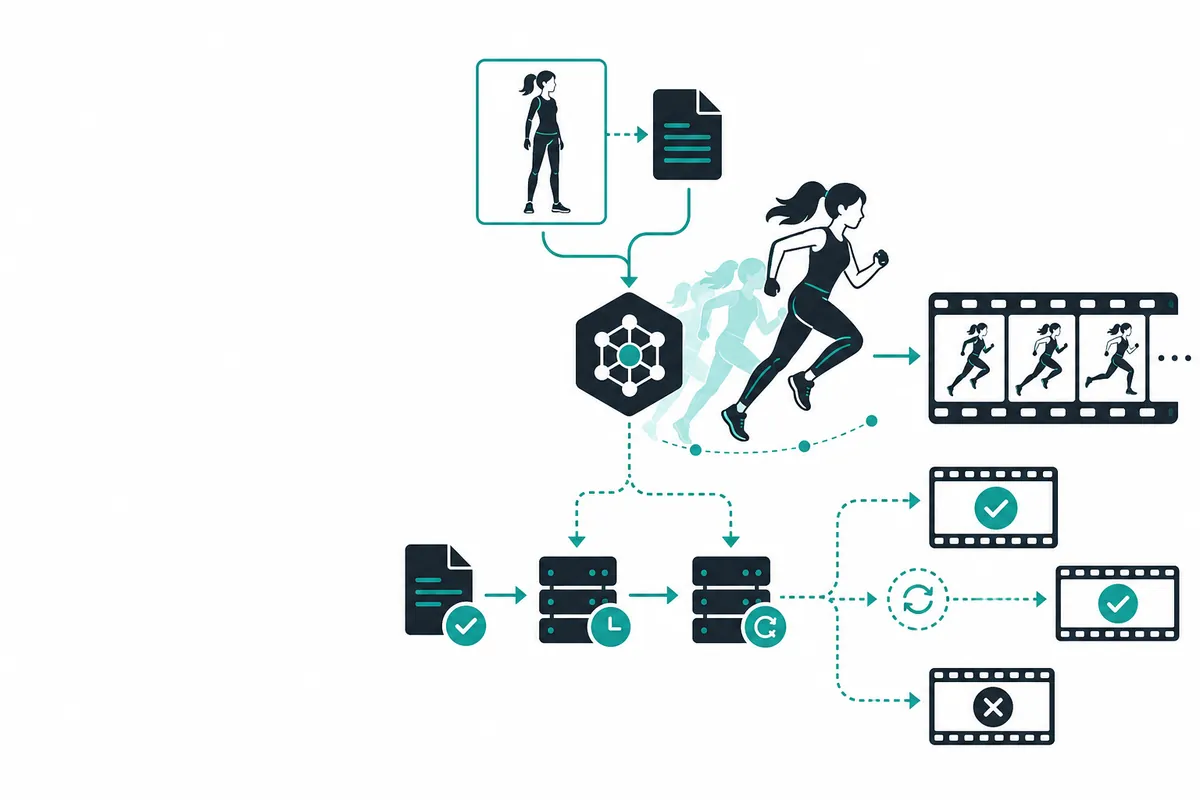
For media or long-running jobs, use an asynchronous queue: create a job, store an idempotency key, poll or receive a webhook, and persist the raw response metadata. Retry only transient failures, with exponential backoff and a maximum attempt count.
Pricing breakdown#
| Access path | Pricing basis | Good default |
|---|---|---|
| Official API | Provider input/output or media units | Direct feature testing |
| Official subscription | Monthly plan and limits | Interactive personal use |
| Crazyrouter | Usage-based access, model-dependent | Multi-model production prototypes |
| Self-hosted model | GPU, storage, and operations | Stable high-volume workloads |
The cheapest list price is not always the cheapest completed task. Include failed jobs, retries, cache hits, queue time, engineering maintenance, and human review in your calculation. Crazyrouter can help compare models behind one API surface; confirm the live model catalog and rates at crazyrouter.com before committing.
Production checklist#
- Pin or record the model version and request parameters.
- Set input-size and output-size limits.
- Add request ids, latency, token/media usage, and error metrics.
- Redact secrets and personal data from logs.
- Validate outputs before storing or executing them.
- Add a cheaper fallback only after quality tests pass.
- Use per-user quotas and a monthly spend alert.
FAQ#
What is the best way to evaluate this tool?#
Create a test set from real inputs, define pass/fail criteria, and compare quality, latency, failure rate, and effective cost. A single impressive example is not a benchmark.
Is Crazyrouter cheaper than the official API?#
It can be cheaper for some models or routing policies, but the answer depends on current rates and your workload. Compare the total cost of successful outputs, not just a headline rate.
Can I use one API key for multiple models?#
With a compatible routing layer such as Crazyrouter, you can use one integration and choose models through configuration. Keep authorization, quotas, and model policy on your server.
What should I do when requests fail?#
Classify errors into validation, authentication, rate-limit, provider, and timeout categories. Fix client errors; retry transient failures with backoff; use a tested fallback for provider outages.
Summary#
WAN 2.2 Animate Tutorial becomes much more useful when it is treated as a measurable engineering component. Start with a narrow benchmark, add limits and observability, then expand to routing and fallback policies. Explore the compatible API and available models at crazyrouter.com.